
Transform Your Dining Experience: Audio Installation Experts
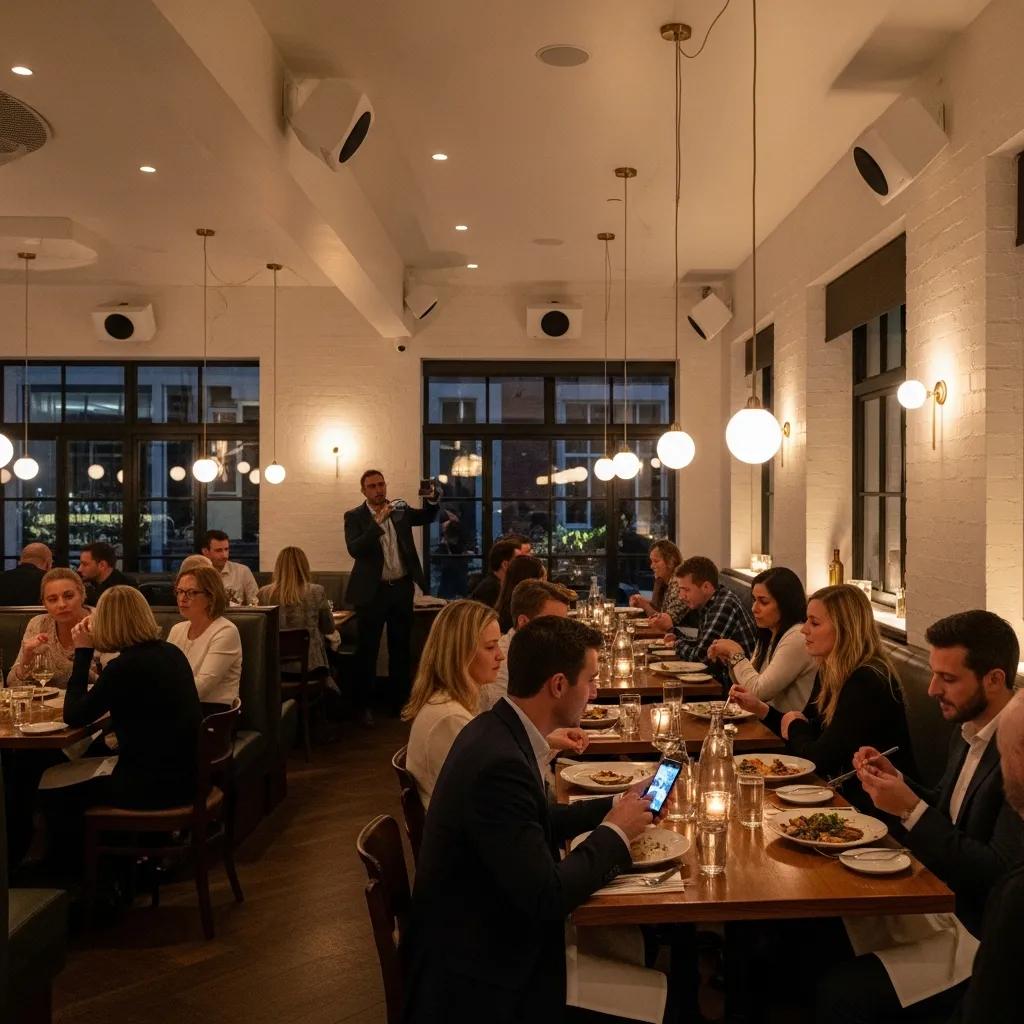
Restaurant Audio Installation: Complete Solutions to Elevate Customer Experience
Creating a welcoming atmosphere is a core part of great dining, and sound is one of the most powerful tools for shaping that atmosphere. This guide breaks down commercial audio solutions designed specifically for restaurants: the essential components, system types, installation best practices, and maintenance routines. Read on to understand why professional-grade equipment and expert installation matter, how multi-zone and wireless systems add flexibility, and what steps you can take to keep your audio system performing at its best.
What Are the Key Components of Commercial Audio Systems for Restaurants?

Commercial restaurant audio systems rely on a set of core components that must work together to deliver clear, consistent sound. Typical systems include speakers, amplifiers, mixers, and cabling — each affecting clarity, coverage, and reliability. Choosing quality gear and integrating it thoughtfully into the dining space improves both acoustics and aesthetics.
Speakers
Speakers are the audible face of the system. Your choice — ceiling, wall, pendant, or discreet column speakers — determines coverage patterns and tonal balance. Proper selection and placement ensure even sound without hot spots or dead zones.
Amplifiers
Amplifiers provide the power to drive speakers and shape headroom for dynamic passages. Matching amp power to speaker specs and venue size prevents distortion and ensures consistent volume throughout the restaurant.
Mixers
Mixers let you blend and control multiple audio sources, from streaming playlists to live performers and paging systems. A flexible mixer makes it easy to balance levels and adapt the sound to different service periods or events.
Understanding Audio Equipment Types and Brands for Hospitality Settings
When choosing equipment for hospitality, understand product categories and pick brands known for commercial reliability. Established manufacturers such as Bose, JBL, and Yamaha offer lines built to handle continuous use in public venues and provide predictable performance over time.
Comparison of Equipment Types
Passive speakers need external amplification, while active (powered) speakers include built-in amps. Each approach has trade-offs: passive systems can be more scalable and serviceable, while active speakers simplify wiring and installation. Select the type that best fits your venue’s layout and maintenance plan.
Brand Recommendations
Brands like Bose, JBL, and Yamaha are commonly recommended for restaurants because their commercial products combine durability, consistent sound quality, and vendor support — all important for long-term operation.
How Professional Audio Installation Services Ensure Optimal System Performance
Professional installers bring acoustic know-how, system-design experience, and on-site calibration skills that DIY approaches often miss. They evaluate the space, select appropriate hardware, and configure the system so music and paging sound natural without overpowering conversation.
For full-site integration, consider consulting IT infrastructure support to ensure audio, networking, and control systems work seamlessly together.
Benefits of Professional Installation
Hiring experts reduces risk: installers plan wiring, place speakers for even coverage, calibrate levels, and test the system across operating scenarios so it performs consistently day after day.
Common Pitfalls of DIY Installation
DIY installs often underestimate acoustic complexity. Mistakes include poorly routed wiring, wrong speaker selection, and insufficient coverage — all of which lead to uneven sound, feedback, or premature equipment failure.
How to Design and Install Effective Restaurant Sound Systems?
Designing an effective sound system is a step-by-step process that balances technical requirements with the restaurant’s atmosphere and workflow.
Steps for Effective Design
- Assess the Space: Survey the floor plan, seating zones, and typical occupancy to determine coverage needs and likely noise sources.
- Select Equipment: Choose speakers, amplifiers, and control gear that match the venue size, aesthetic, and budget.
- Plan the Installation: Create a detailed layout for wiring, speaker positions, and control points so sound distribution and maintenance access are optimized.
Installation Tips
- Position speakers to minimize reflections from hard surfaces and to direct sound toward listening areas rather than walls.
- Use high-quality cable and connectors to reduce signal loss and prevent interference over time.
- After installation, perform a full-system sweep and walkthrough at typical service volumes to fine-tune levels and EQ.
What Are Best Practices for Speaker Placement and Acoustic Optimization?
Good placement and targeted acoustic treatments make the difference between intrusive noise and a comfortable dining soundscape.
Speaker Placement Strategies
- Height and Angle: Aim speakers toward ear level in seated areas and angle them to cover listening zones without blasting adjacent tables.
- Spacing: Evenly space speakers to maintain uniform coverage and avoid overlapping sound that causes comb filtering.
- Avoiding Obstacles: Keep speakers clear of large fixtures or surfaces that block or reflect sound unpredictably.
Acoustic Treatment Options
Acoustic panels, upholstered surfaces, curtains, and carpets absorb unwanted reflections and reduce reverberation. Thoughtful treatments improve speech intelligibility and overall comfort for diners.
Optimizing acoustics through design and treatment is often overlooked, yet it’s one of the most effective ways to improve communication and satisfaction for both guests and staff.
Optimizing Restaurant Acoustics: Design, Treatment & Noise Control
Acoustical conditions in eating establishments are frequently underappreciated despite their clear effect on speech intelligibility and comfort. Research into these environments focuses on evaluating noise exposure for customers and staff and identifying room-design and treatment strategies to reduce reverberation and control noise. The objective is to improve communication, accessibility for hearing-impaired and second-language patrons, and overall auditory comfort.
Evaluation and optimization of acoustical environments in eating establishments, 2006
How Does Wiring and IT Infrastructure Support Audio System Integration?
Reliable wiring and a strong IT backbone are essential once audio systems move beyond standalone playback — especially for networked speakers, remote control, and integration with lighting or point-of-sale systems.
Importance of Proper Wiring
Quality cables, correct terminations, and strategic cable runs reduce signal loss and make troubleshooting straightforward. Proper wiring also protects equipment and simplifies future upgrades.
IT Infrastructure Requirements
A robust network supports streaming audio, remote management, and integration with other building systems. Proper segmentation, bandwidth planning, and power-over-Ethernet (when used) help keep audio reliable under real-world loads.
What Are the Benefits and Features of Multi-Zone and Wireless Audio Solutions?

Multi-zone and wireless audio systems give restaurants flexibility to tailor sound by area and simplify deployment where wiring is difficult or disruptive.
Advantages of Multi-Zone Systems
Multi-zone systems let you control volume, source, and EQ independently across dining areas — ideal for creating intimate corners, livelier bar areas, or private event zones without affecting the whole venue.
Wireless Technology Benefits
Wireless solutions reduce the need for extensive cabling, ease speaker placement, and speed installation. They also allow phased expansion and reconfiguration as the business evolves.
How Do Multi-Zone Audio Systems Enhance Dining Ambiance?
By delivering different audio profiles to separate areas, multi-zone systems help shape the guest experience in a targeted way.
Impact on Customer Experience
Tailored audio can make a quiet dining room feel more intimate and a social area more vibrant — improving comfort, dwell time, and the likelihood of repeat visits.
Flexibility in Sound Control
Managers can adjust music and levels for breakfast, lunch, dinner, or special events from a central control interface, ensuring the sound always matches the occasion.
What Are the Advantages of Wireless Audio Technology in Restaurants?
Wireless audio brings practical benefits for many hospitality environments without sacrificing performance when selected and configured properly.
Ease of Installation
Wireless systems reduce installation time and labor costs by minimizing wall and ceiling penetrations and long cable runs.
Flexibility and Scalability
Wireless setups scale easily: add or relocate speakers as seating layouts change without major construction work.
Cost-Effectiveness
While some wireless solutions carry a premium upfront, savings on cabling and installation — plus faster rollouts — often offset the initial investment.
How to Maintain and Troubleshoot Restaurant Audio Equipment for Longevity?
Consistent maintenance keeps systems sounding good and avoids costly downtime.
Routine Maintenance Practices
- Regular Inspections: Schedule visual and functional checks to spot wear, loose connections, or environmental issues early.
- Cleaning: Remove dust from speakers, vents, and rack equipment to prevent overheating and performance loss.
- Software Updates: Keep firmware and control software current to maintain security and feature stability.
Common Troubleshooting Steps
- If audio degrades, inspect connectors and cable runs for damage or corrosion.
- Isolate components to identify whether the issue is a source, amplifier, or speaker problem.
- For complex faults, engage professional service to diagnose and repair before small issues become failures.
What Is the Cost and Return on Investment for Restaurant Audio Installation?
Costs vary by venue size, equipment quality, and installation complexity. Understanding potential ROI helps prioritize investment in sound as a driver of customer satisfaction and revenue.
Cost Breakdown of Installation
Budget items include speakers, amplifiers, mixers or processors, control interfaces, cabling, labor, and any acoustic treatments. Larger or acoustically challenging venues naturally require more investment.
Expected ROI Metrics
Improved ambiance can increase dwell time, average check size, and repeat visits. Tracking customer feedback and sales before and after upgrades helps quantify the business impact of better sound.
Research and industry analysis consistently show that thoughtfully designed AV systems — including sound — influence brand perception and customer behavior, supporting long-term returns despite initial costs.
Restaurant Sound Systems: Design, Installation & Customer Experience Impact
Sound systems shape how customers perceive a venue, affecting noise levels, speech clarity, and brand atmosphere. Proper AV design involves assessing the space, selecting appropriate equipment, zoning audio for different areas, and integrating systems for smooth operation. While initial expenses can be substantial, a well-planned system can pay back through improved customer satisfaction and loyalty.
The Impact of Sound Systems on Customer Experience
How to Budget for Professional Audio Installation Services?
Budgeting carefully ensures you balance quality, functionality, and cost.
Budgeting Tips
- Research Costs: Collect multiple detailed quotes to compare equipment, labor, and warranty options.
- Plan for Contingencies: Allocate a contingency for unforeseen issues such as additional acoustic treatment or routing constraints.
- Prioritize Quality: Invest first in speakers and core amplification — cheap components often need early replacement and raise lifetime costs.
Cost Considerations
Think long term: durable equipment and professional installation reduce maintenance and replacement costs, and deliver a more consistent guest experience that supports revenue growth.
What Are Measurable ROI Benefits from Enhanced Audio Systems?
Improved audio can produce measurable business outcomes when paired with tracking and feedback systems.
Customer Satisfaction Metrics
Use surveys, review scores, and direct feedback to measure perceived improvements in comfort and atmosphere after audio upgrades.
Increased Sales Correlations
Extended dwell time and a better dining vibe can correlate with higher average checks and more frequent visits — both tangible ROI indicators.
Which Case Studies Demonstrate Successful Restaurant Audio Installation Solutions?
Case studies show practical examples of systems tailored to different formats — from intimate bistros to large, multi-level venues — and highlight outcomes such as improved intelligibility and guest satisfaction.
Real-World Examples
Examples often emphasize custom zoning, focused acoustic treatment, and professional tuning as the keys to success.
Lessons Learned
Common lessons include prioritizing customization, planning for maintenance, and engaging experienced integrators early in the design process.
How Have Multi-Zone Audio Systems Improved Customer Satisfaction?
Multi-zone systems let restaurants offer distinct sound profiles that suit each area’s purpose, which customers and staff notice.
Customer Feedback
Guests frequently report higher satisfaction when the audio matches the dining occasion — calmer for quiet meals and livelier where socializing is expected.
Comparative Analysis
Restaurants that adopt zoning typically see better feedback and repeat business compared with venues that use a one-size-fits-all audio approach.
What Lessons Can Be Learned from Recent Installation Projects?
Recent projects reinforce practical guidelines that apply across venues.
Key Takeaways
- Customization is Key: Tailor solutions to the layout, clientele, and brand to achieve the intended atmosphere.
- Professional Expertise Matters: Experienced integrators reduce risk and deliver predictable results.
- Ongoing Maintenance is Essential: Scheduled upkeep and software updates keep systems reliable and sounding their best.
What Are Frequently Asked Questions About Restaurant Audio Installation?
Common Concerns
- What is the average cost of a commercial audio system? Costs vary widely depending on venue size and needs, but budgeting for quality equipment and professional installation is critical to avoid repeated expenses.
- How long does installation typically take? Installation timelines range from a few days for simple systems to several weeks for complex, multi-zone integrations with acoustic work and network setup.
- Can I install the system myself? DIY installs are possible for basic setups, but professional installation is recommended for commercial venues to ensure coverage, compliance, and long-term reliability.