
Why is Network Wiring Crucial for Alarm System Installation?
Installing an alarm system is essential for home or business security, but have you ever wondered about the role of network wiring in this process? Network wiring is a crucial component that ensures your alarm system functions optimally. In this blog, we’ll explore why it’s so important and how it impacts the overall effectiveness of your security setup.
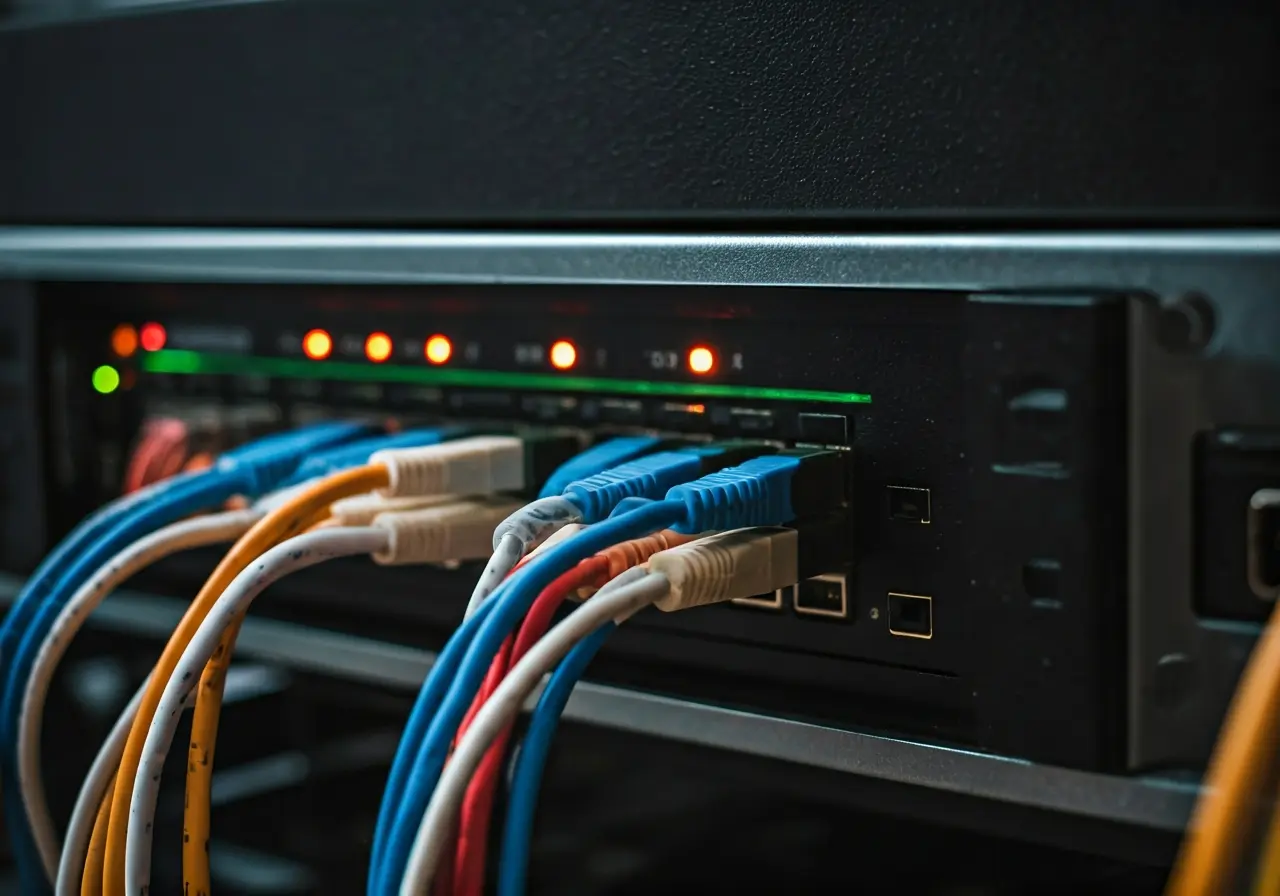
Understanding the Basics of Network Wiring
Before diving into its role in alarm systems, it’s essential to grasp what network wiring entails and how it functions as the backbone for data communication. Network wiring refers to the structured cabling that connects and transmits data between different devices and systems. It forms the foundation for local area networks (LANs) and supports a variety of functions including internet access, video conferencing, and alarm systems.
Network wiring involves the use of different types of cables, including coaxial, twisted pair, and fiber optics, each with distinct functions and benefits. Most commonly, twisted pair cables are used due to their flexibility and ability to reduce signal interference, which is crucial for maintaining the integrity of alarm signals.
The Role of Network Wiring in Alarm Systems
Network wiring plays a vital part in connecting alarm components, allowing them to communicate effectively and ensuring that every part of the system functions seamlessly. For instance, in a security setup, sensors, control panels, cameras, and alarms must all be interconnected through an efficient wiring network to ensure prompt detection and response in case of emergencies.
Without proper wiring, there may be delays in signal communication which could compromise the security and efficiency of the entire alarm system. For homeowners and businesses alike, this means the difference between a timely alert and a catastrophic security breach.
The integrity of alarm systems heavily depends on how well these wires are laid out and connected. Proper network wiring ensures that each device within your security system communicates without interruption, providing a cohesive security network.
Ensuring Reliable Connection for Alarm Systems
A well-laid network wiring plan guarantees that the alarm system remains connected, offering consistent performance and reducing the risk of communication failures. Reliable connection is paramount because it ensures that in the event of an emergency, the alarm system will function as intended.
Network reliability can be attributed to meticulous planning and installation of wiring. This includes determining the correct type and quantity of cables, as well as their appropriate placement, to ensure maximum signal strength and minimum interference. Effective network wiring minimizes potential points of failure, such as disconnections or data loss, which could prove critical during emergencies.
Wiring and Integration with Smart Home Technology
With the rise of smart home technology, integrating alarm systems effectively with existing networks is crucial for enhanced features and remote access capabilities. Smart technology allows users to manage and monitor their security systems from anywhere, increasing convenience and control over home or business security.
Network wiring enables seamless integration of smart devices such as cameras, alarms, locks, and sensors into a single cohesive system that can be controlled remotely. This connectivity is achieved through a robust network infrastructure that facilitates real-time communication between devices and users.
For businesses aiming to future-proof their security infrastructure, considering both current needs and potential scalability is essential. A forward-thinking wiring plan paves the way for future advancements, such as AI integration and advanced data analytics, enhancing overall system capability.
Avoiding Common Pitfalls in Network Wiring
Learn about common mistakes made during network wiring for alarm systems and how to avoid them to ensure optimal performance and security. One key mistake is improper planning, which can result in insufficient cabling or inadequate coverage areas, compromising the effectiveness of the alarm system.
Another common issue is neglecting future scalability. It is important to plan for potential expansions or technology upgrades. Proper wiring solutions should allow for additional capacity to ensure your security measures can evolve alongside your needs.
Poor quality materials or installation can lead to signal interference, data loss, and even security breaches. Hiring experienced professionals to handle installation and maintenance ensures that your network wiring is up to standard, providing reliable and efficient performance.
The Importance of Network Wiring in Alarm Systems
In conclusion, network wiring is a fundamental aspect of alarm system installation. It not only ensures reliability and efficiency but also enhances the capabilities of your security system. By understanding the importance of proper network wiring, you can ensure that your alarm system functions at its best, providing peace of mind and a safer environment by choosing the Total Security Systems’ offerings.