
How Can Network Configuration Enhance Your Security Systems?
In today’s digital world, securing your network is more important than ever. Network configuration plays a crucial role in enhancing the security systems of any organization. In this blog, we’ll explore how proper network configuration can bolster your security and provide peace of mind.
Understanding the Basics of Network Configuration
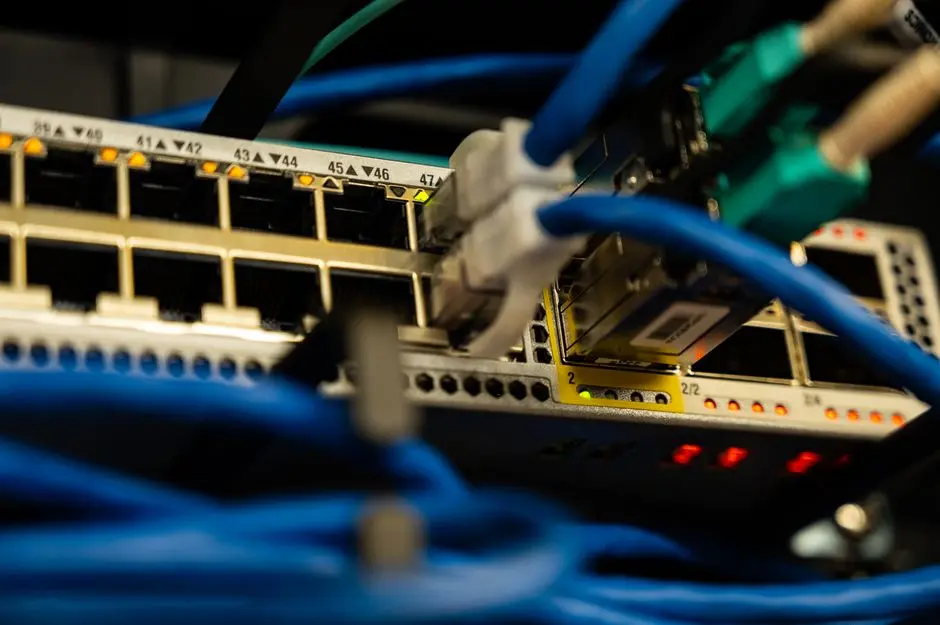
Before diving into advanced strategies, it’s crucial to understand what network configuration entails. It involves setting up network controls, policies, and hardware to ensure a stable and secure environment. In essence, it’s the backbone of your entire digital framework. Without a solid configuration, you’re essentially leaving your front door wide open.
When configured correctly, network settings can help create a seamless integration between various components of your infrastructure. This not only enhances efficiency but also strengthens security postures. Simplifying the connections between different network components reduces complexities, making it easier to manage and monitor potential issues.
Identifying Potential Security Vulnerabilities
Recognizing where your network is most vulnerable is the first step in enhancing security. This includes outdated software, weak passwords, and open ports that could be exploited. A periodic review of these elements can make all the difference in maintaining a safe and secure network.
Conducting thorough audits can help pinpoint problematic areas. Evaluating these aspects regularly not only aids in recognizing vulnerabilities but also forms the basis for implementing effective controls. Understanding these weak spots is essential to enhance your overall security posture, something every organization must do to stay protected.
Implementing Network Access Controls
Strong access controls determine who can access certain areas of your network. This is done by configuring firewalls, setting permissions, and ensuring only authorized users can interact with sensitive data. Proper network configuration facilitates creating these protective boundaries, acting as the first line of defense against intrusions.
By incorporating robust network access controls, organizations can ensure a layered defense mechanism against unauthorized access. These measures allow you to maintain oversight on who enters and interacts with your network environment, thereby tightening security and granting access only to those who possess the necessary credentials.
Regularly Updating and Patching Systems
Keeping software up to date with regular patches is essential for security. This prevents exploitation of known vulnerabilities and ensures your system defenses are as strong as possible. Many breaches occur when systems are running on outdated software, highlighting the critical nature of regular updates.
Proactively managing your system updates is a fundamental part of network maintenance. Through systematic updates, not only are potential threats minimized, but the overall efficiency and functionality of your systems are preserved. A well-maintained network stands the best chance against new and emerging threats.
Monitoring Network Traffic for Anomalies
Constant monitoring allows you to spot unusual activity that could indicate a breach. Implement tools that alert you to suspicious behavior, ensuring prompt action can be taken. This proactive approach is essential in today’s fast-paced digital environment.
Harnessing real-time monitoring tools is critical to observe network traffic and identify anomalies quickly. By integrating traffic analysis solutions, you can ensure that your network remains secure by being vigilant and responsive to any signs of disruption. Such tools offer both immediate alerts and comprehensive reports to help with strategic planning.
Securing Your Network: The Power of Configuration
In conclusion, network configuration is a powerful tool in ensuring the security of your systems. By understanding and applying the right configuration strategies, you can protect your network from potential threats and vulnerabilities. Stay proactive and regularly evaluate your setups to keep your organization secure. For more insights, explore Total Security Systems today.