
What Should I Consider When Installing Wired Security Cameras?
Setting up wired security cameras can greatly enhance your home or business’s security. However, installing them correctly is crucial to ensure they work efficiently. This FAQ guide will walk you through the essential considerations to keep in mind when installing wired security cameras.
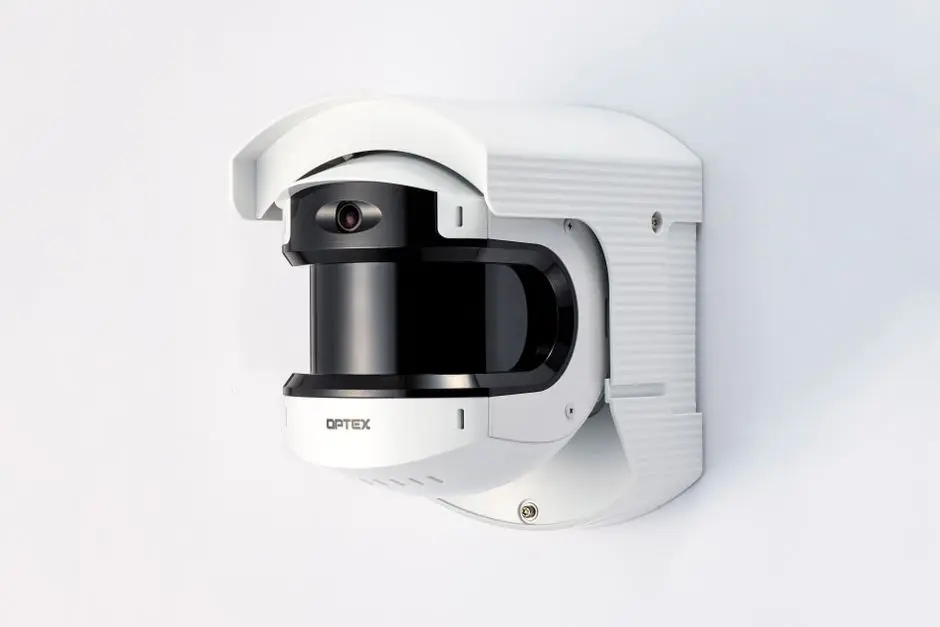
Choose the Right Camera Type
Not all wired security cameras are created equal. Determine the right type of camera based on your specific needs, such as indoor versus outdoor use, resolution requirements, and night vision capabilities.
When selecting wired security cameras, consider their durability and weather resistance for outdoor models. Outdoor cameras should withstand harsh weather conditions, while indoor cameras should be unobtrusive yet effective. Cameras with higher resolutions offer clearer images, which can be crucial for recognizing faces and details in varying lighting conditions.
It’s also important to think about special features that might be beneficial, such as motion detection, audio recording, and remote viewing capabilities. Ensure that the wired cameras you choose align with your security goals and technical preferences for a seamless integration into your existing security system.
Plan the Camera Placement
Decide on optimal camera locations to cover all vulnerable areas effectively. Consider factors like field of view, lighting conditions, and potential obstructions.
Strategic placement is vital for maximizing the effectiveness of your security cameras. Entry points, such as doors and windows, should be high on your list. It’s crucial to also cover streets and driveways, giving you a comprehensive view of anyone entering or leaving your property.
Consider potential blind spots and ensure your cameras are placed to minimize these. It’s important to take preventive measures against potential obstructions like overgrown trees or buildings that may hinder visibility. Lastly, consider the placement in terms of camera height and angle to reduce common issues such as glare and light interference.
Consider the Wiring and Connectivity
Plan out how the wiring will be run to each camera. Ensure sufficient reach and connectivity with your recording or monitoring system, and think about potential alterations to your property’s wiring.
The installation of wired security cameras demands careful planning of the wiring routes. Determine the best and shortest paths to ensure seamless connectivity without compromising aesthetics. Concealing wires is also essential to protect them from tampering and weather exposure.
Utilizing cable management solutions like conduits and wire covers can help keep your installation neat while maintaining safety. Testing connectivity before finalizing installation is crucial to ensure that the cameras communicate effectively with the recording devices or monitoring systems, guaranteeing consistent surveillance coverage.
Secure Your Cameras Against Tampering
Install your cameras in a way that protects them from vandalism or tampering. Use protective coverings and ensure they are mounted securely and out of easy reach.
Tampering is a significant concern when it comes to wired security cameras. Therefore, it’s essential to install your cameras at heights that are out of easy reach and potentially use additional protective measures like protective cages or covers. This ensures your security investment remains intact and effective.
Exploring anti-vandalism designs and robust housings provided by certain models can further bolster your system’s resilience. Not only does this ensure the longevity of your equipment, but it also acts as a visual deterrent to potential intruders. Remember, your cameras are an investment in safety, so taking these additional precautions is wise.
Test the System Before Finalizing
Before finalizing the installation, thoroughly test the cameras to ensure they are capturing high-quality footage and the system is recording properly.
Testing is a critical step in the installation process of wired security cameras. Ensure every camera is functioning as expected, covering the intended areas without view obstruction. Testing under different lighting conditions can help you adjust settings for optimal performance, especially in crucial situations.
Ensure that recordings are accessible and stored correctly, and that you can retrieve footage when necessary. This might involve validating your system’s remote access features, which allow you to monitor activities from anywhere, providing added peace of mind.
Final Thoughts on Wired Security Camera Installation
By taking these factors into account, you can successfully install wired security cameras that enhance your property’s safety and provide peace of mind. Remember that meticulous planning and the right tools are key to a successful security camera setup. We invite you to explore more about our services and how we can assist you on our homepage.