
A Homeowner’s Guide to Choosing Access Control Systems in Pendleton
Choosing the right access control system for your home in Pendleton can feel overwhelming, especially with so many options available. In this guide, we’ll simplify the process by breaking down key considerations and providing insights to make an informed decision.
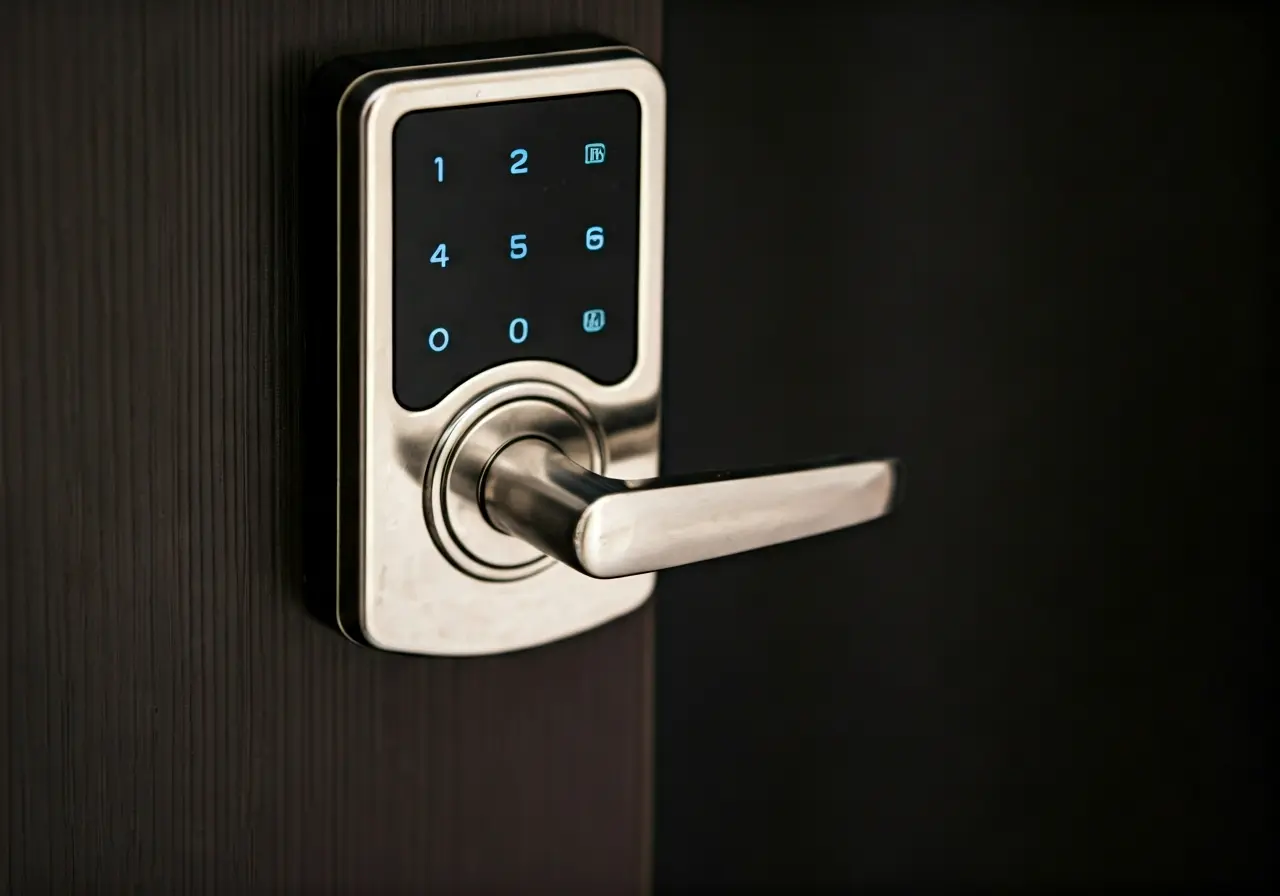
Understanding Access Control Systems
Before diving into selecting an access control system, it’s crucial to understand what they are and how they work. These systems help manage who has access to your home, ensuring only authorized individuals can enter. An access control system can range from something as simple as a deadbolt to complex biometric scanners that recognize fingerprints. No matter the type, they all serve the same essential purpose: maintaining the safety and security of your home. In recent years, advancements in technology have brought about a variety of smart systems, allowing homeowners to move beyond traditional locks and keys. These modern systems offer features such as remote access, where you can open doors with an app, and integration with other home automation systems, creating a seamless home security network. Understanding these basics will help you in making an informed choice when the time comes to select a system.
Smart homes have become increasingly popular, and with them, the need for sophisticated access control systems. Homeowners are no longer relying solely on physical keys; instead, many are turning to digital solutions. These systems offer significant advantages, including real-time alerts on entry and the ability to grant temporary access to visitors directly from your smartphone. This flexibility ensures you’re always in control, regardless of your location. The advent of smart access technology brings a new level of convenience to home security, making traditional systems look outdated.
Evaluating Your Home’s Security Needs
Not every home in Pendleton has the same security needs. Consider factors like the size of your property, the number of access points, and your neighborhood’s safety to determine the level of security required. For instance, a home with multiple entrances or sliding glass doors might benefit from a more robust system. Meanwhile, smaller homes or apartments might require less extensive measures, but still need effective solutions. Understanding your specific security needs is crucial in making sure you choose the right system. Consult with security experts to perform a comprehensive assessment of your property to ensure all potential vulnerabilities are covered.
It’s also worth considering the dynamics of your household. Do you have young children, elderly family members, or frequent guests who might find keyless entry systems more convenient? A biometric system that uses fingerprints might be perfect for families looking for both security and ease of access. Another factor is your lifestyle; for example, frequent travelers could benefit from systems that allow remote access control, ensuring that their property is secure when they’re away. Tailoring your home security system to your lifestyle can enhance both its effectiveness and your peace of mind.
Types of Access Control Systems Available
There are various types of access control systems ranging from traditional lock-and-key to modern smart systems. We’ll cover the pros and cons of each to help you figure out what might suit your home best. Traditional lock-and-key systems are often seen as the most basic form of access control but remain effective for many homeowners. They are relatively low-cost and do not require a power source. However, they lack the advanced features that electronic systems offer. Keypad entry systems, for instance, eliminate the need for physical keys, thus reducing the possibility of unauthorized key duplication. Meanwhile, smart locks can be integrated with your home network, offering unparalleled flexibility in terms of monitoring and control.
Biometric access systems offer an advanced level of security by using unique physical characteristics, such as fingerprints, for authentication. This method drastically reduces the chance of unauthorized entry, as it’s nearly impossible to replicate someone’s fingerprint. One of the main drawbacks, however, is the higher initial cost and the need to maintain the technology to ensure it remains effective. For homeowners looking for integration with other smart home devices, choosing a system that works seamlessly with gadgets like smart lights and cameras can enhance the overall security experience. The rise of IoT has revolutionized how these systems operate, offering innovative solutions that cater to modern security needs.
Features to Consider in an Access Control System
From keyless entry to remote monitoring, different systems offer different features. It’s important to list down the features you prioritize and find a system that includes them. One of the most desirable features for many homeowners is the ability to control and monitor their system remotely. This means you can lock and unlock doors from anywhere, using your smartphone. Additionally, systems that offer real-time notifications can alert you to any unauthorized attempts at entry or when doors are accidentally left open. These features, while convenient, require a reliable internet connection to function optimally.
Integration with home automation systems is another feature worth considering. If you have or plan to install a smart home setup, an access control system that integrates seamlessly with other devices like security cameras, lighting, and even thermostats can provide a cohesive security solution. Moreover, some systems offer analytics and reporting, allowing you to review access logs. This information can be invaluable in understanding usage patterns and quickly detecting suspicious activity. Finally, voice command capabilities are becoming more common, offering hands-free operation that can be particularly useful in homes with smart speakers or displays.
Installation and Maintenance of Access Control Systems
Understanding what the installation process entails and what kind of maintenance is required can save you a lot of hassle in the long run. We’ll discuss the importance of professional installation and regular check-ups. With professional installation, you ensure that all components are correctly set up and optimized for performance. While some DIY systems are available, they may not offer the comprehensive features and reliability of professionally installed ones. Periodic maintenance is crucial, particularly for systems with electronic components, as they may be prone to technical issues or require software updates to protect against vulnerabilities.
Maintenance of your access control system involves regular testing to ensure all parts are functioning as expected. This includes checking the condition of physical parts, like locks and associated hardware, as well as software diagnostics to spot any potential issues early. An additional layer of security can be provided through scheduled updates, which often include patches for any identified security weaknesses. It’s also important to keep contact details for support readily available, should you encounter any problems requiring professional assistance.
Budgeting for Your Access Control System
Knowing how much you’re willing to spend upfront and on ongoing costs will help narrow down your choices. We’ll provide tips on how to budget effectively for your new system. Begin by researching different systems and their associated costs. It’s wise to set aside a budget not only for the initial purchase but also for installation fees and potential future maintenance. Keep in mind that while a more advanced system may have a higher upfront cost, the added security features might justify the investment in the long term. Consider any special offers or discounts that might be available when purchasing your system.
Additionally, factor in the potential energy costs if you opt for a system that requires constant power or internet connectivity. It may also be beneficial to compare warranty options, as some manufacturers offer extended warranties that cover repairs or replacements. Evaluating the total cost of ownership can provide clearer insights into the overall value a particular system might offer. When budgeting, consider the peace of mind and enhanced protection a reliable access control system can deliver, and how this contributes to your overall sense of security.
Making the Right Choice for Your Home’s Security
Selecting the right access control system for your home not only enhances security but also brings peace of mind knowing that your loved ones and property are safe. By understanding your needs and the options available, you can make a well-informed choice that perfectly aligns with your requirements. Visit us at Total Security Systems to learn more about securing your home effectively.