
Why Is Low Voltage Wiring Important in Commercial Installations?
In the world of commercial installations, wiring is crucial to the successful operation of any business. Among the different types of wiring, low voltage wiring plays a vital role in ensuring energy efficiency, safety, and cost-effectiveness. This article will explore the importance of low voltage wiring in commercial settings and why it’s becoming a preferred choice for many businesses.
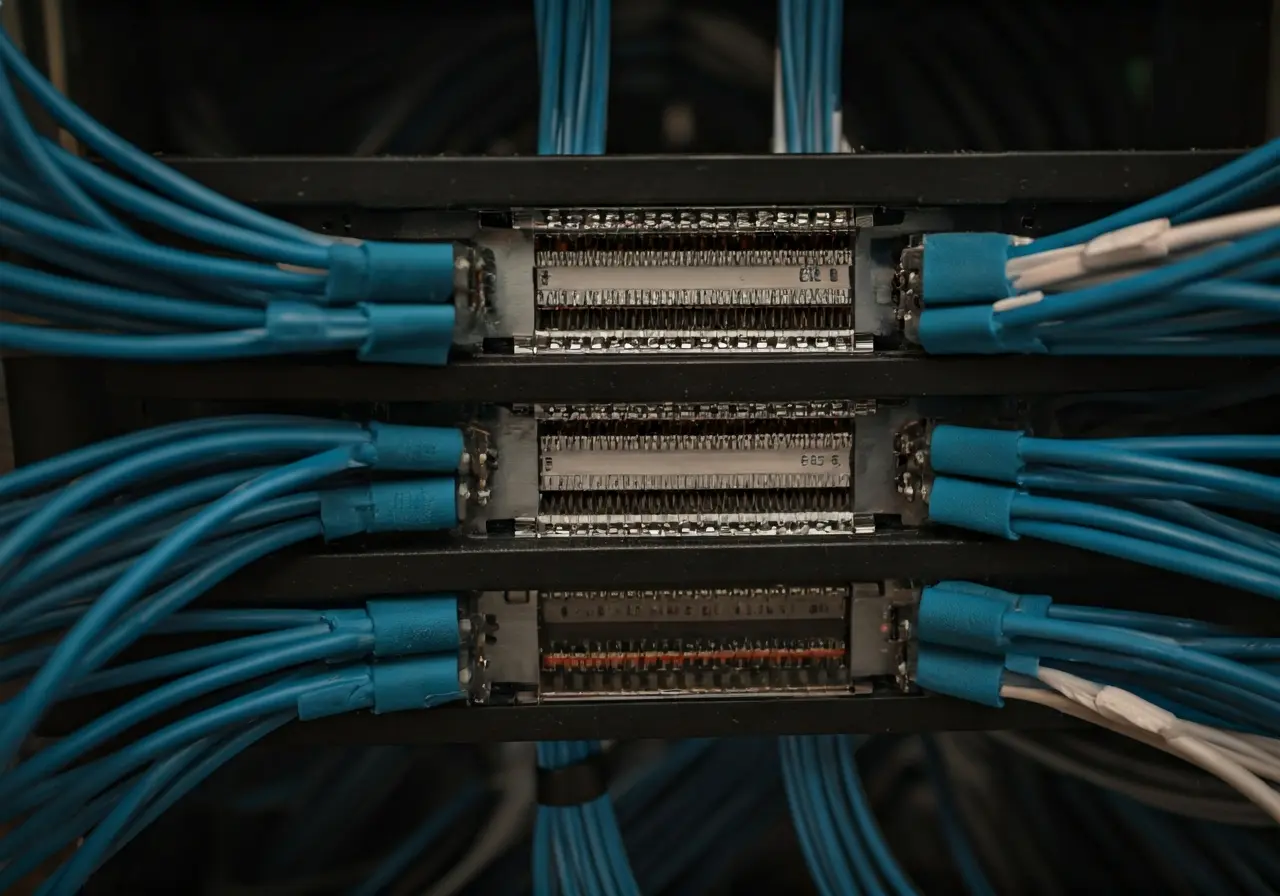
Understanding Low Voltage Wiring
Low voltage wiring refers to electrical systems that use lower voltages than standard systems, commonly under 50 volts. It’s often used for communication networks, security systems, and lighting.
Picture this: a bustling office building with lighting and security systems seamlessly operating through a web of low voltage connections. This is not only a cost-saving scenario but also a step towards smarter energy use. The intricate world of low voltage wiring has revolutionized how businesses execute these setups, creating an interconnected system that enhances overall efficiency.
Despite its low voltage, this wiring is pivotal in many areas. Imagine powering your advanced communication networks efficiently. This is where low voltage wiring shows its true colors by supporting these crucial infrastructures, making communication smooth and reliable.
Energy Efficiency Benefits
Using low voltage wiring can significantly reduce energy consumption in commercial buildings, contributing to lower utility bills and a smaller carbon footprint.
The energy efficiency of low voltage systems cannot be overstated. By consuming less power, these systems not only reduce operational costs but also support eco-friendly initiatives, aligning with modern business practices focused on sustainability. This is a win-win scenario for businesses aiming to cut costs while contributing positively to the environment.
Incorporating efficient lighting systems powered by low voltage wiring can further enhance a building’s energy-saving initiatives, illustrating the importance of adapting such technologies in today’s environmentally conscious world.
Enhanced Safety Features
Low voltage systems reduce the risk of electrical shocks and fires, making them a safer option for densely populated buildings like commercial offices.
Safety is a top priority in any commercial setting, and low voltage wiring excels in this regard. The reduced risk of electrical hazards such as shocks and fires ensures a safer environment for employees and customers alike. It’s an essential component in densely populated areas where safety cannot be compromised.
Moreover, the installation of advanced security systems using low voltage wiring further enhances the safety of commercial premises, providing peace of mind with less maintenance hassle.
Flexibility in Installation
The flexibility of low voltage wiring allows for easy integration with advanced technologies, such as smart building systems, without complex modifications.
One of the significant advantages of low voltage wiring is its adaptability. As businesses grow and technologies evolve, the need for flexible solutions becomes more prominent. Low voltage systems can easily accommodate changes or expansions without incurring prohibitive costs or extensive downtime. This flexibility makes it an ideal choice for fast-paced business environments.
Furthermore, as more companies move towards integrating smart technologies into their workspaces, having a wiring infrastructure that seamlessly integrates with new advancements is invaluable.
Cost-Effectiveness in the Long Run
Although the initial setup costs might be higher, the long-term savings from reduced energy consumption and maintenance make low voltage wiring a cost-effective solution.
Initial investment in low voltage wiring might seem substantial, but the financial benefits become evident with time. The reduced energy consumption leads to significant savings on utility bills. Furthermore, the low maintenance requirements diminish the likelihood of costly repairs and replacements, offering businesses a compelling reason to opt for low voltage wiring.
The Integral Role of Low Voltage Wiring
Low voltage wiring is a key component in commercial installations, offering significant benefits in terms of energy efficiency, safety, flexibility, and cost savings. By understanding its importance, businesses can make informed decisions that enhance their operations and bottom line. For comprehensive solutions tailored to your specific needs, visit our homepage.