
Wired Security Cameras vs. Wireless: Which is the Right Fit for You?
In today’s world, keeping your home and loved ones safe is more important than ever. When it comes to security cameras, you’re faced with a crucial choice: wired or wireless. Each has its own set of benefits and drawbacks depending on your needs. In this blog, we’ll delve into the key differences to help you make the right decision.
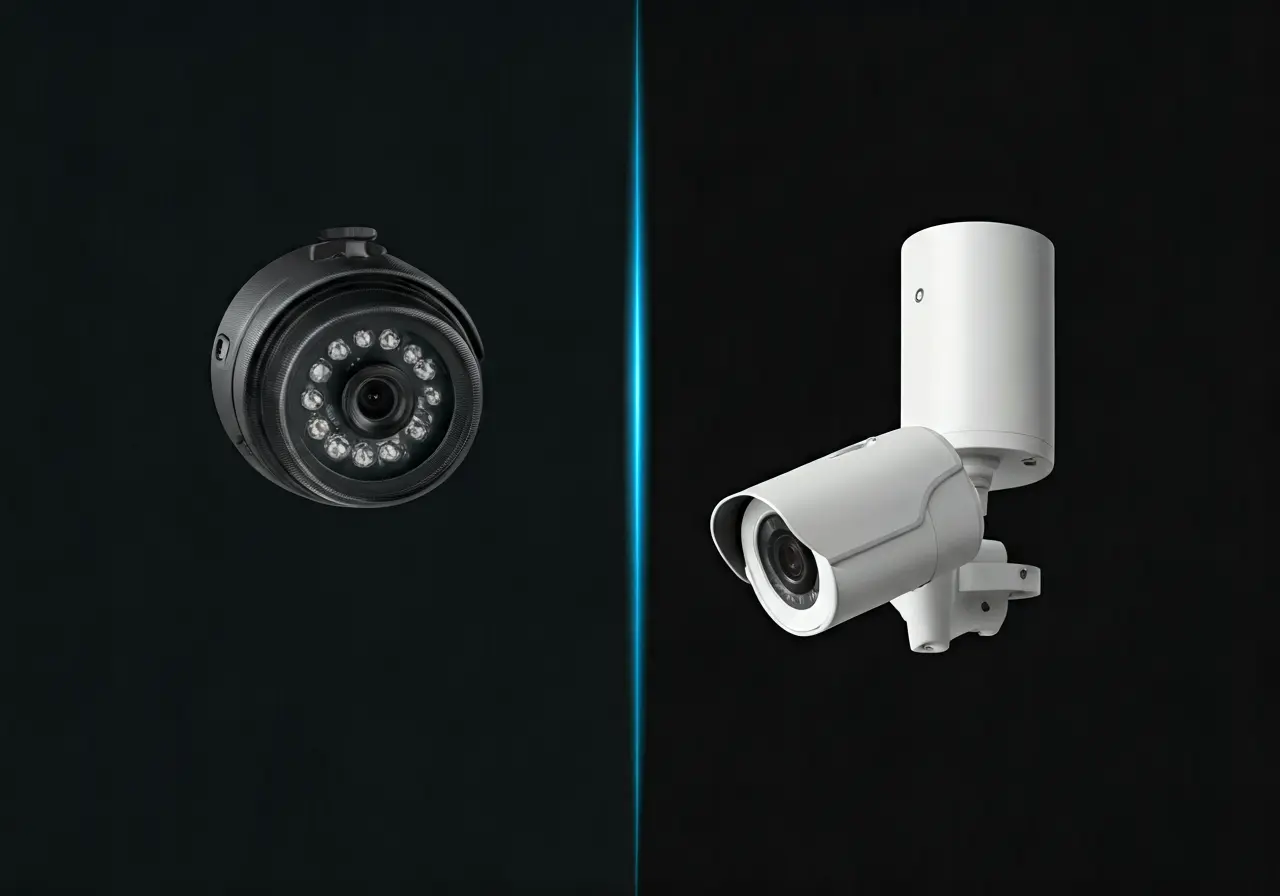
Understanding Wired Security Cameras
Wired security cameras are hardwired into your home’s electrical system and connect to the internet through cables. They are known for their reliable connection and constant power supply, making them a popular choice for those seeking a dependable security solution. However, installation can be more complex and costly.
The reliability of wired security cameras comes from their direct connection to a power source and network. This endows them with a stable and uninterrupted connectivity, which is essential for monitoring high-security environments like banks or warehouses. However, this stability comes at the cost of flexibility. Installing these cameras involves running cables through walls or ceilings—a process that might require professional help. For some, the thought of drilling holes and maneuvering around the house is daunting enough to reconsider this option.
For home or business owners looking for a long-term security solution, the permanence of wired systems might actually be a benefit. Once installed, you won’t need to worry about replacing batteries or dealing with signal dropouts. If a power outlet is available nearby, a wired system can dutifully monitor your property without the fear of interference or sudden power loss that may afflict wireless setups.
Exploring Wireless Security Cameras
Wireless security cameras, on the other hand, use Wi-Fi to transmit footage, eliminating the need for extensive wiring. They are easier to install and can be more flexible in terms of placement. Though convenient, they may face connectivity issues if the Wi-Fi signal is weak.
Imagine being able to place your security cameras wherever you need them without worrying about wiring—sounds perfect, right? Wireless cameras make this a reality. They offer unprecedented freedom in placement, allowing you to relocate them as your needs change. This makes them particularly useful in rental homes or temporary setups. Setup usually involves little more than placing the cameras and connecting them to your Wi-Fi network, a process most people can manage without professional help.
However, the convenience wireless systems offer is tightly linked to your network quality. If your Wi-Fi network is unreliable, you may encounter signal issues and reduced performance. Many wireless cameras depend on battery power, which necessitates periodic battery changes. If security is a critical concern, you might worry about the potential for lapses in coverage if you forget to maintain the batteries regularly.
Pros and Cons of Wired Security Cameras
Wired cameras are less susceptible to interference and typically offer a more stable connection. They are ideal for fixed locations requiring continuous recording. The downside is the potentially complex installation process and aesthetic concerns due to visible cables.
From a durability perspective, wired cameras excel in scenarios demanding constant and reliable surveillance. Because they’re not dependent on wireless signals, interference and degradation of video quality is less of a concern. This makes them a solid choice for large properties or settings where security cannot be compromised. However, taking the time to properly install such a system may require considering how visible cables could impact the appeal of your interiors, prompting some to seek professional assistance.
Pros and Cons of Wireless Security Cameras
Wireless cameras boast easy installation and greater flexibility in placement. They are perfect for rental properties or temporary setups. However, they rely on a strong Wi-Fi signal and batteries, which might require regular maintenance.
Convenience is the biggest selling point of wireless security cameras. Without the constraints of physical cables, you can experiment with camera placement until you find the perfect spot, and move them as needed. In essence, these cameras can adapt to the ever-changing layout of your home or office, easily scaling up if security needs escalate. Yet, it’s wise to weigh this convenience against the practicalities of maintaining a robust Wi-Fi connection and ensuring battery replacements are part of your routine to avoid any surveillance lapses.
Factors to Consider Before Making a Decision
When selecting a security camera system, evaluate factors such as installation complexity, location, power availability, and budget. Consider your long-term needs and whether you prioritize ease of use or reliability.
Consider the future-proofing aspect of your decision. Are you planning to extend your property in the future, or improve your security systems as technology advances? Wired systems may face limitations without considerable upgrades, whereas wireless systems might offer greater adaptability in the long run. It’s essential to align your security measures with your vision for your home or business growth, contemplating both current and future needs.
Making the Best Choice for Your Security Needs
Choosing between wired and wireless security cameras ultimately depends on your specific needs and preferences. Wired cameras offer reliable connectivity and power, ideal for those who prioritize stability. Meanwhile, wireless cameras provide a flexible, easy-to-install option for users who value convenience and adaptability. Consider the factors discussed above to determine which system aligns with your security goals. Visit our homepage for more insights into strengthening your security.