
Eastern Oregon Commercial Security Camera Installation: Total Security
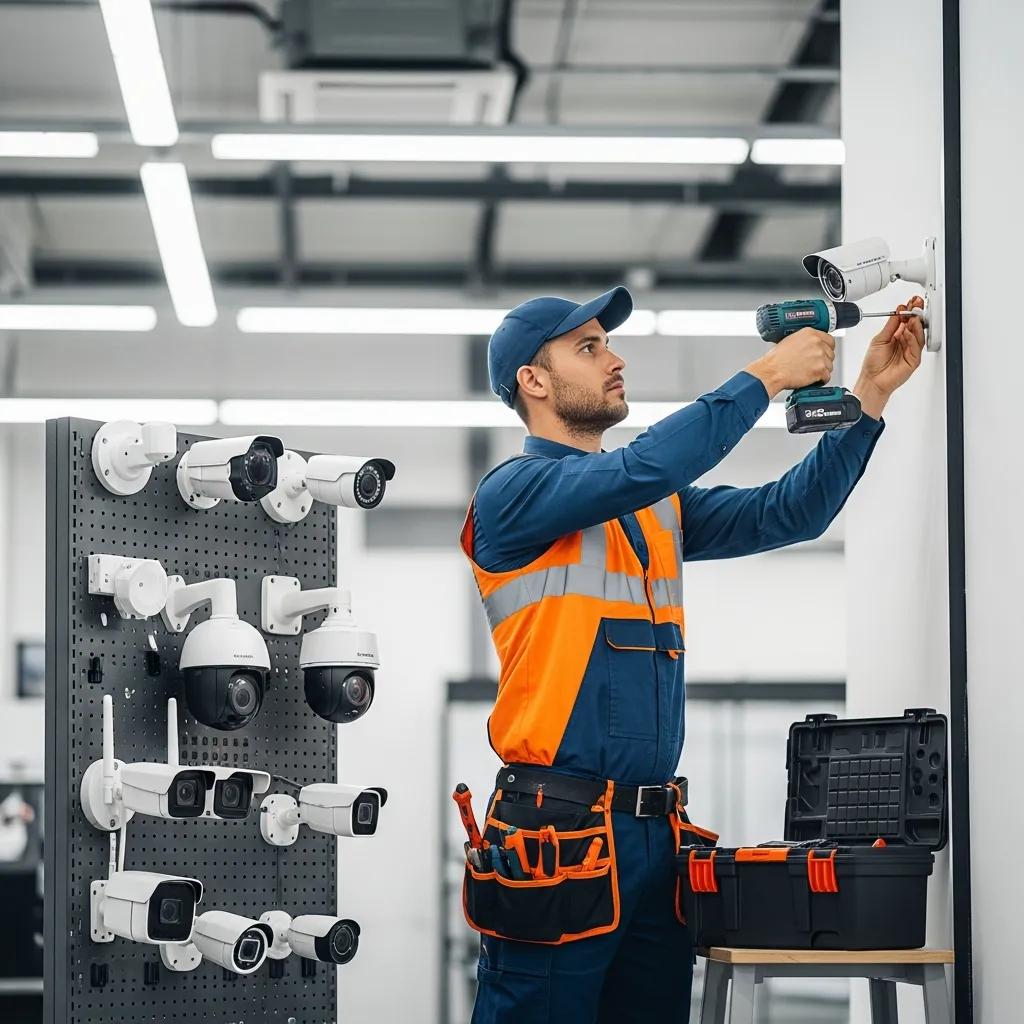
To enhance your business’s security, consider exploring comprehensive business security systems.
Commercial Security Camera Installation in Eastern Oregon: Safeguard Your Business with Expert Surveillance Solutions
In today’s rapidly evolving security landscape, businesses in Eastern Oregon face increasing challenges in safeguarding their assets and ensuring the safety of their premises. Commercial security camera installation is a vital component of a comprehensive security strategy, providing real-time monitoring and evidence collection capabilities. This article will explore the installation process, the benefits of security cameras for businesses, and the various types of cameras available, along with their features and integration with other security systems. By understanding these elements, business owners can make informed decisions to enhance their security measures effectively.
Installation Process
The installation process for commercial security cameras involves several critical steps to ensure optimal performance and coverage. Initially, a consultation is conducted to assess the specific security needs of the business. This is followed by system design considerations, where the layout and camera placement are strategically planned. Finally, the installation and testing phase ensures that all components function correctly and meet the established security objectives.
Benefits for Businesses
Installing security cameras offers numerous advantages for businesses, enhancing their overall security posture. Key benefits include:
- Enhanced Security: Surveillance cameras deter criminal activity and provide a sense of safety for employees and customers.
- Remote Monitoring Capabilities: Business owners can monitor their premises in real-time from anywhere, allowing for quick responses to incidents.
- Operational Efficiency: Security cameras can help streamline operations by monitoring employee productivity and ensuring compliance with safety protocols.
Recommendations for Effective Security Measures
To maximize the effectiveness of security camera systems, businesses should consider the following recommendations:
- Choosing the Right Camera Types: Selecting cameras that suit the specific needs of the business, such as indoor or outdoor models, is crucial.
- Integrating IT and Electrical Services: Collaborating with IT professionals ensures that the camera systems are properly integrated with existing infrastructure.
- Establishing Maintenance Schedules: Regular maintenance checks are essential to ensure that the cameras are functioning optimally and to address any technical issues promptly.
What Types of Commercial Security Cameras Are Best for Eastern Oregon Businesses?

When selecting commercial security cameras, businesses in Eastern Oregon should consider various types that cater to their specific needs. The most suitable options include:
- Indoor Cameras: Ideal for monitoring interior spaces, these cameras help ensure employee safety and prevent theft.
- Outdoor Cameras: Designed to withstand harsh weather conditions, outdoor cameras provide surveillance for parking lots and building perimeters.
- PTZ Cameras: Pan-tilt-zoom (PTZ) cameras offer flexible monitoring capabilities, allowing operators to adjust the camera’s position remotely for comprehensive coverage.
How Do IP, Analog, and Wireless Cameras Compare for Business Surveillance?
Understanding the differences between IP, analog, and wireless cameras is essential for businesses looking to implement effective surveillance systems.
This comparison highlights the strengths and weaknesses of each camera type, helping businesses choose the best option for their surveillance needs.
Which Camera Features Enhance Security for Commercial Properties?
Several key features can significantly enhance the effectiveness of security cameras for commercial properties:
- Real-Time Monitoring: The ability to view live footage allows for immediate response to incidents.
- Evidence Collection: High-resolution recording capabilities ensure that clear footage is available for investigations.
- Deterrent Effects: Visible cameras can deter potential criminals from targeting the property.
How Does the Commercial Security Camera Installation Process Work in Eastern Oregon?
The commercial security camera installation process in Eastern Oregon typically follows a structured approach. It begins with a consultation and needs assessment to identify the specific security requirements of the business. Following this, a system design is created, taking into account the layout of the premises and the types of cameras needed. Finally, the installation is carried out, ensuring compliance with local regulations and testing the system for functionality.
What Are the Best Practices for Installing Business Surveillance Systems?
To ensure the effectiveness of business surveillance systems, several best practices should be followed:
- Proper Camera Placement: Cameras should be strategically positioned to cover critical areas without blind spots.
- Regular Maintenance: Establishing a routine maintenance schedule helps keep the system in optimal condition.
- Integration with Existing Systems: Ensuring that the camera system works seamlessly with other security measures, such as alarms and access control, enhances overall security.
How Do Wiring and IT Services Support Effective Camera Installation?
Wiring and IT services play a crucial role in the successful installation of security cameras. Proper network installation and support are essential for IP cameras, while low voltage wiring is necessary for analog systems. Additionally, integrating the camera system with existing IT infrastructure ensures that all components work together effectively.
Indeed, securing the underlying network infrastructure is paramount when deploying modern surveillance technologies.
Best Practices for Deploying IoT Security Cameras in Businesses
Networks once hosting only computers and printers now routinely contain payment systems, Wi-Fi and mobile/wearable devices, VoIP phones, vending machines, sensor and alarm systems, servers, security cameras, thermostats, door locks and other building controls, just to name a few. This chapter analyzes current best practices for securing computer networks with special attention to IoT challenges, and presents a framework for securely deploying IoT devices in the enterprise and at home.
Securing the Internet of Things: best practices for deploying IoT devices, BR Payne, 2017
How Can Security Cameras Integrate with Alarm and Access Control Systems?
Integrating security cameras with alarm and access control systems provides a comprehensive security solution. This integration allows for:
- Real-Time Monitoring: Security personnel can monitor alarms and camera feeds simultaneously.
- Automated Alerts: The system can send alerts to security personnel when suspicious activity is detected.
- Centralized Management: A unified system simplifies the management of security protocols and responses.
This holistic approach to security, combining various systems, is increasingly recognized as a best practice for enhanced protection.
Seamless Integration of Video Surveillance for Business Security
The seamless integration of video surveillance, ACS, and alarm systems allows for a unified security infrastructure, enhancing overall protection and operational efficiency. An analysis of the principles of security system integration shows that the transition from isolated systems to a holistic approach significantly improves security management.
Pavel Mishchenko on “Seamless”
Integration: How to Make Video Surveillance, Access Control Systems and Security Systems Work as a Single Whole, 2024
What Are the Benefits of Combining Surveillance with Alarm Systems?
Combining surveillance with alarm systems offers several advantages for businesses:
- Enhanced Security: The integration provides a multi-layered security approach, making it more difficult for intruders to bypass.
- Improved Monitoring: Security personnel can respond more effectively to incidents with real-time data from both systems.
- Cost-Effectiveness: A combined system can reduce the need for multiple security solutions, saving businesses money.
How Does Access Control Enhance Commercial Security Camera Systems?
Access control systems complement commercial security camera systems by providing controlled entry to sensitive areas. Key benefits include:
- Controlled Access: Only authorized personnel can enter restricted areas, reducing the risk of theft or vandalism.
- Real-Time Monitoring: Access control systems can be monitored alongside camera feeds for comprehensive oversight.
- Automated Alerts: The system can notify security personnel of unauthorized access attempts.
What Are the Costs and ROI of Commercial Security Camera Systems in Eastern Oregon?
Understanding the costs and return on investment (ROI) for commercial security camera systems is essential for businesses. Factors influencing costs include:
- Average Pricing for Installation: The cost of installation can vary based on the complexity of the system and the number of cameras required.
- Factors Influencing Costs: Equipment quality, installation labor, and additional features can all impact the overall price.
- Potential ROI: Investing in security cameras can lead to reduced theft and liability claims, ultimately saving businesses money.
How Much Does Professional Business Security Camera Installation Cost?
The cost of professional business security camera installation can vary widely based on several factors, including the type of cameras chosen and the complexity of the installation. Businesses should expect to budget for both equipment and installation services to ensure a comprehensive security solution.
What Is the Return on Investment for Commercial CCTV Systems?
The return on investment for commercial CCTV systems can be significant. Benefits of professional installation include:
- Cost Savings from Reduced Theft: Effective surveillance can deter criminal activity, leading to fewer losses.
- Increased Employee Productivity: Monitoring can encourage employees to adhere to company policies and improve overall efficiency.
Quantifying the economic benefits of such security investments is crucial for businesses to understand their true value.
Economic Efficiency of Commercial Security Systems
The purpose of this study is to identify some general patterns of the efficiency of electronic security systems used in the security management of the commercial activities and spaces. For this reason, quantifying the economic efficiency of security systems (systems with an important role in the security management) is more a necessity and an obligation.
Economic efficiency of the electronic security systems in security management of commercial activities, M Nastase, 2014
How Are Commercial Security Camera Systems Maintained and Monitored Locally?
Local maintenance and monitoring services are crucial for ensuring the longevity and effectiveness of security camera systems. Regular maintenance schedules should include:
- Routine Checks: Regular inspections help identify and address any issues before they become significant problems.
- Repair Services: Quick response to technical issues ensures minimal downtime for the security system.
- Emergency Support: Access to emergency support services can provide peace of mind for business owners.
What Maintenance Services Ensure Long-Term Surveillance Performance?
To maintain long-term surveillance performance, businesses should consider the following maintenance services:
- Routine Checks: Regular inspections of camera functionality and positioning.
- Prompt Repairs: Quick resolution of any technical issues to minimize downtime.
- Emergency Support: Access to support services for urgent repairs or system failures.
How Does Remote Monitoring Improve Business Security in Eastern Oregon?
Remote monitoring significantly enhances business security by allowing owners to keep an eye on their premises from anywhere. Key benefits include:
- Real-Time Monitoring: Business owners can view live feeds and respond to incidents as they occur.
- Integration with Access Control: Remote monitoring can be combined with access control systems for comprehensive oversight.
- Deterrent Effect: The knowledge that surveillance is being monitored can deter potential criminal activity.
What Local Regulations and Compliance Requirements Affect Security Camera Installation in Oregon?
Businesses must be aware of local regulations and compliance requirements when installing security cameras. Key considerations include:
- Privacy Laws: Understanding the legal implications of surveillance in public and private spaces is essential.
- Permitting Requirements: Some installations may require permits, depending on local regulations.
- Community Guidelines: Adhering to community standards can help avoid potential legal issues.
Which Permits and Legal Considerations Must Businesses Follow?
When installing security cameras, businesses should ensure compliance with the following legal considerations:
- Research Local Regulations: Understanding the specific laws governing surveillance in the area is crucial.
- Obtain Necessary Permits: Some installations may require permits to ensure compliance with local laws.
- Consult with Professionals: Engaging with legal experts can help navigate complex regulations.
How Do Privacy Laws Impact Commercial Surveillance Practices?
Privacy laws play a significant role in shaping commercial surveillance practices. Businesses must consider:
- Respecting Privacy: Ensuring that surveillance does not infringe on individuals’ rights is essential.
- Legal Implications: Non-compliance with privacy laws can lead to legal repercussions.
- Compliance with Regulations: Adhering to established guidelines helps maintain ethical surveillance practices.
Why Choose Professional Security Camera Installers in Eastern Oregon?
Hiring professional security camera installers offers several benefits for businesses looking to enhance their security systems. Key advantages include:
- Expertise and Experience: Professionals bring specialized knowledge and skills to ensure effective installation.
- Quality Assurance: Professional installations are typically more reliable and efficient.
- Ongoing Support: Many installers offer maintenance and support services to ensure long-term system performance.
What Qualifications and Experience Should You Look for in Installers?
When selecting security camera installers, businesses should consider the following qualifications:
- Certifications: Look for installers with relevant certifications in security system installation.
- Relevant Experience: Experience in commercial installations can indicate a higher level of expertise.
- Local Expertise: Familiarity with local regulations and community standards is essential for compliance.
How Do Local Experts Customize Security Solutions for Your Business?
Local experts can tailor security solutions to meet the unique needs of each business. Key aspects of customization include:
- Initial Consultation: Understanding the specific security requirements of the business is crucial for effective solutions.
- Tailored Recommendations: Experts can provide recommendations based on the business’s layout and security needs.
- Ongoing Support: Local experts often offer continued support to adapt security measures as the business evolves.
What Are the Latest Trends in Commercial Security Cameras for Eastern Oregon Businesses?
Staying informed about the latest trends in commercial security cameras is essential for businesses. Current trends include:
- Cloud Storage Solutions: Many businesses are moving towards cloud-based storage for easier access and management of footage.
- Smart Home Integration: Integrating security systems with smart home technology enhances overall security and convenience.
- AI-Powered Analytics: Advanced analytics can provide insights into security patterns and improve response strategies.
How Is AI-Powered Video Analytics Enhancing Surveillance?
AI-powered video analytics are revolutionizing surveillance by providing advanced capabilities. Key benefits include:
- Facial Recognition: AI can identify individuals, enhancing security measures.
- Behavioral Analysis: Analyzing behavior patterns can help detect suspicious activities.
- Automated Responses: AI can trigger alerts or actions based on predefined criteria, improving response times.
What Are the Advantages of Cloud-Based Monitoring Systems?

Cloud-based monitoring systems offer several advantages for businesses:
- Accessibility: Business owners can access footage from anywhere with an internet connection.
- Scalability: Cloud solutions can easily scale with the business’s needs.
- Cost-Effectiveness: Reducing the need for on-site storage can lower overall costs.