
7 Reasons Why Fiber Optic Installation is the Future of Security Systems
In an age where security is paramount, the technology behind the systems we rely upon has become increasingly sophisticated. Fiber optic installation is emerging as a game-changer in the realm of security systems, offering a plethora of advantages over traditional methods.
1. Unmatched Speed and Bandwidth
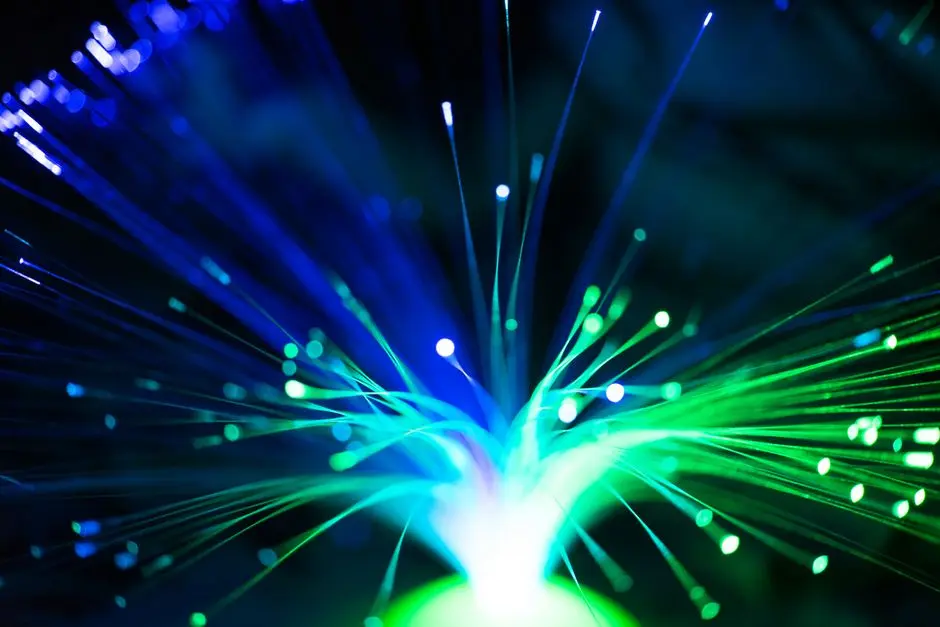
Fiber optic cables transmit data at the speed of light, significantly faster than traditional copper wires. This speed ensures seamless operation and real-time data transfer, which is critical for security systems.
With ever-growing data usage in security systems – from high-definition video surveillance to integrated access controls – the demand for higher bandwidth is constant. Fiber optics accommodate this demand with ease. The expansive bandwidth capabilities allow for simultaneous data streams, ensuring that no part of your security system lags or falters. This is particularly crucial in situations that require instant information processing, such as live video feeds or emergency responses. Thus, whether you are managing a large corporate network or a simple home security setup, the efficiency gains from fiber optic speed and bandwidth are irreplaceable.
2. Enhanced Reliability Against Interference
Unlike copper cables, fiber optics are immune to electromagnetic interference, providing consistent performance without disruption, a vital feature for maintaining security operations.
In areas with high electromagnetic interference (EMI) such as industrial zones or areas proximal to radio stations, maintaining signal integrity can be challenging with traditional copper wiring. Fiber optics, however, are virtually impervious to EMI, meaning they offer a more reliable communication channel unaffected by external electric noise. This not only ensures that security systems remain operational without disruption but also reduces the incidence of false alarms triggered by signal interference. In essence, fiber optics provide peace of mind, knowing your system’s performance is shielded against the vicissitudes of EMI.
3. Longer Transmission Distances
Fiber optic technology allows for data transmission over much longer distances without degradation, which is ideal for sprawling security networks and remote monitoring.
A significant advantage of fiber optic systems is their capability to maintain signal strength over extended lengths. Unlike copper cables, which suffer from signal attenuation beyond a few hundred meters, fiber optics can transmit data over kilometers without a hitch. This feature is particularly advantageous in expansive infrastructures such as university campuses, airports, and corporate facilities, where the distance between security monitors and central control can be substantial. Consequently, these longer transmission capabilities ensure comprehensive coverage and robust monitoring, leaving no corner unmonitored.
4. Superior Security Features
Fiber optic cables are difficult to tap without detection, offering superior security against potential breaches. This deterrent is essential to protecting sensitive data and maintaining system integrity.
The structural design of fiber optic cables makes them inherently more secure than their metallic counterparts. Any attempt to physically intercept the light-based data transmission results in noticeable data loss or distortion, which is easily detectable, allowing for swift countermeasures. For high-security environments handling sensitive information – such as government buildings, financial institutions, or data centers – this characteristic significantly diminishes the risk of espionage or unauthorized access, thereby fortifying the overall security framework.
5. Scalable and Future-Proof Infrastructure
As security needs grow and evolve, fiber optic systems can easily be scaled and upgraded, ensuring they remain relevant and efficient well into the future.
The modular nature of fiber optic installations means that expanding your security systems infrastructure is both simple and cost-effective. Whether it’s integrating new sensors, cameras, or alarm systems, fiber optics provide a scalable architecture ready to embrace new technologies. Looking ahead, as innovations like AI, machine learning, and IoT continue to influence security, the adaptability of fiber optics ensures they will remain capable of accommodating these advancements without necessitating a complete infrastructure overhaul. This marks fiber optics as not just a contemporary solution, but a cornerstone for future-proofing your security investments.
6. Cost-Effective Over Time
While the initial investment in fiber optics might be higher, their durability and low maintenance costs make them a more cost-effective solution in the long run.
Fiber optic cables boast a longevity and resilience that often surpasses that of traditional metal cables, leading to fewer replacements and lower maintenance expenses over time. The initial expenditure might seem daunting, but when considered against the constant repairs, upgrades, and electrical costs associated with older technologies, the financial benefits of fiber optics become evident. Additionally, as more organizations make the switch, the cost of fiber optic components continues to decrease, making this a fiscally sound investment for any security-conscious organization.
7. Integration with Smart Technologies
Fiber optic installations offer seamless integration with smart technologies, enabling advanced features like AI-powered analytics and remote monitoring, which are revolutionizing security systems.
In the digital age, the synergy between fiber optics and smart technology cannot be underestimated. Fiber optic networks provide the robust framework needed for deploying sophisticated security features such as real-time facial recognition, biometric scanning, and automated response systems. The high-speed, high-capacity transmission capabilities inherent in fiber optics serve as the backbone for these innovative solutions, ensuring they operate efficiently and reliably. Furthermore, as the trend towards smart cities and interconnected devices accelerates, fiber optics will continue to play a pivotal role in this technological evolution.