
Home Security Camera Systems Explained
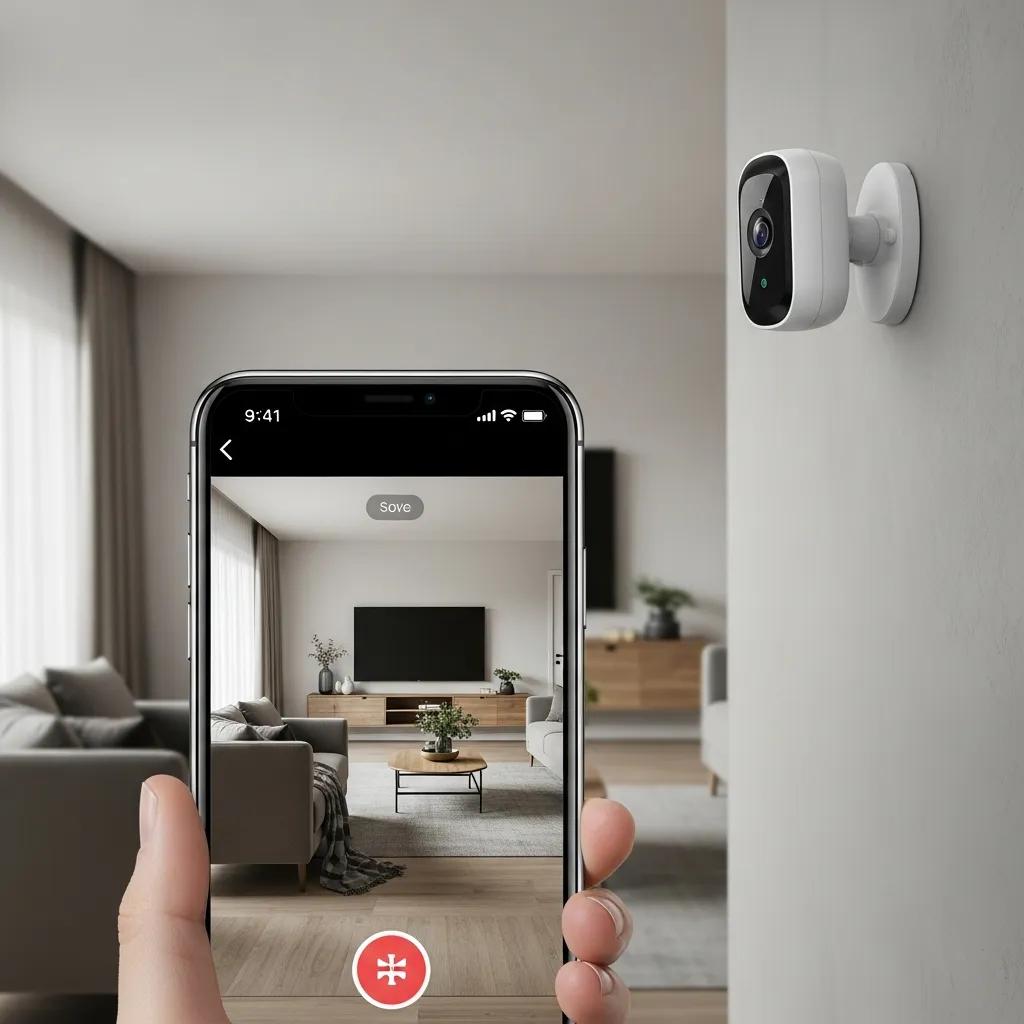
Home Security Camera Systems Explained: Comprehensive Guide to Wireless and Smart Surveillance Solutions
Home security camera systems have become essential for safeguarding properties, providing peace of mind to homeowners and businesses alike. These systems not only deter potential intruders but also offer a means to monitor activities in and around your property. In this comprehensive guide, we will explore the various types of home security cameras, their features, and how they integrate with other security systems. Understanding these elements is crucial for making informed decisions about your security needs. We will also discuss installation costs and the benefits of professional installation, ensuring you have all the information necessary to enhance your home security effectively.
What Are the Key Types of Home Security Cameras?
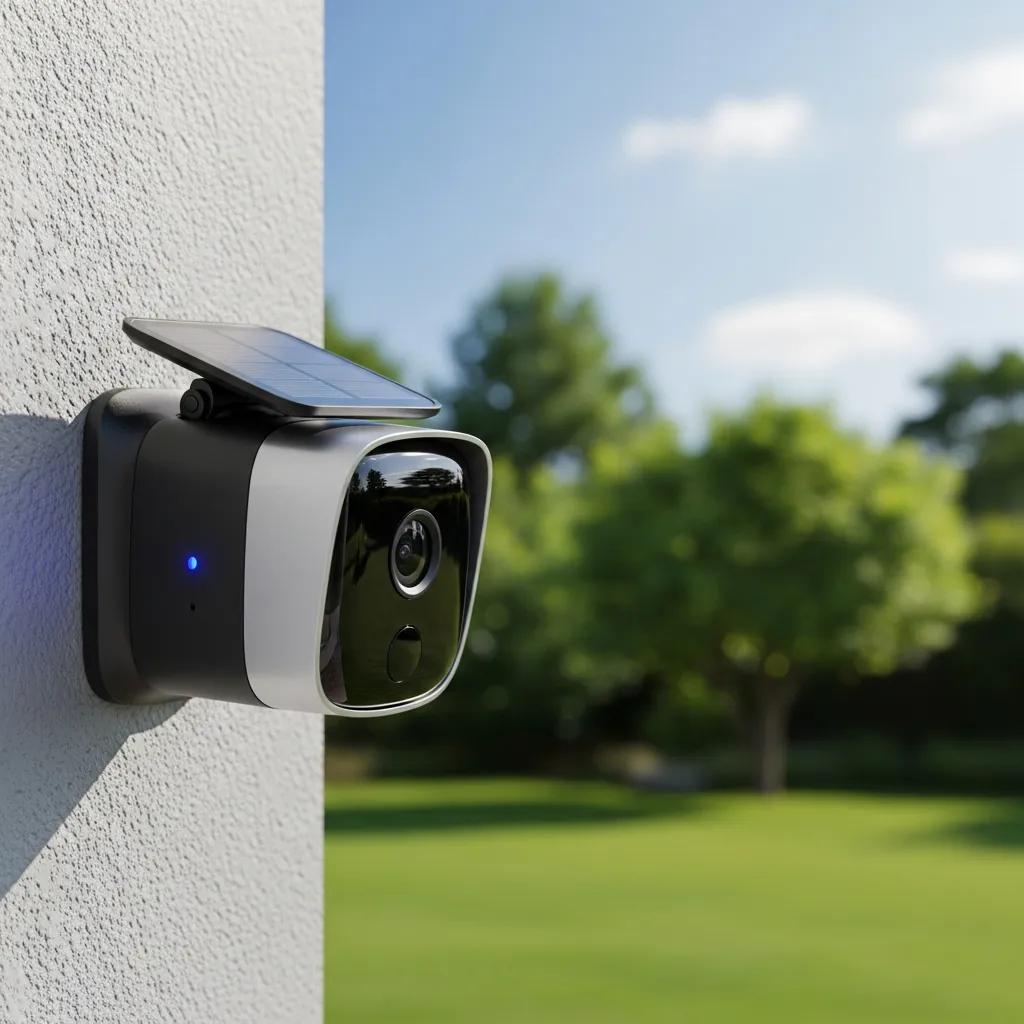
Home security cameras can be categorized into several types, each designed to meet specific surveillance needs. The primary types include wired security cameras, wireless security cameras, and smart home security cameras.
- Wired Security Cameras: These cameras are connected directly to a power source and a recording device, providing a stable connection and consistent video quality. They are often used in commercial settings due to their reliability.
- Wireless Security Cameras: These cameras transmit video signals over Wi-Fi, allowing for easier installation and flexibility in camera placement. They are ideal for residential use, where homeowners may want to reposition cameras as needed.
Indeed, the growing popularity of wireless solutions is well-documented, particularly for their adaptability in residential settings.
Wi-Fi Wireless IP Cameras for Home Security
Fi wireless cameras, that is, Internet protocol cameras equipped with Wi-Fi modules, are booming among home security camera market due to their flexibility
User presence inference via encrypted traffic of wireless camera in smart homes, X Ji, 2018
- Smart Home Security Cameras: These advanced cameras integrate with home automation systems, offering features like remote access, motion detection alerts, and cloud storage options. They provide enhanced monitoring capabilities and can be controlled via smartphones or smart home hubs.
Understanding these types helps homeowners choose the right camera system based on their specific security requirements.
How Do Wireless Security Cameras Differ from Wired Systems?
Wireless security cameras offer several advantages over their wired counterparts. The most significant difference lies in their installation and flexibility.
- Installation: Wireless cameras are easier to install since they do not require extensive wiring. This can save time and reduce installation costs. In contrast, wired systems often involve professional installation to ensure proper setup.
- Flexibility: Wireless cameras can be placed in various locations without the constraints of wiring. This allows homeowners to adjust their surveillance setup as needed, providing greater adaptability to changing security needs.
However, wired systems typically offer more stable connections and may be less susceptible to interference, making them a reliable choice for permanent installations.
What Features Define Smart Home Security Cameras?
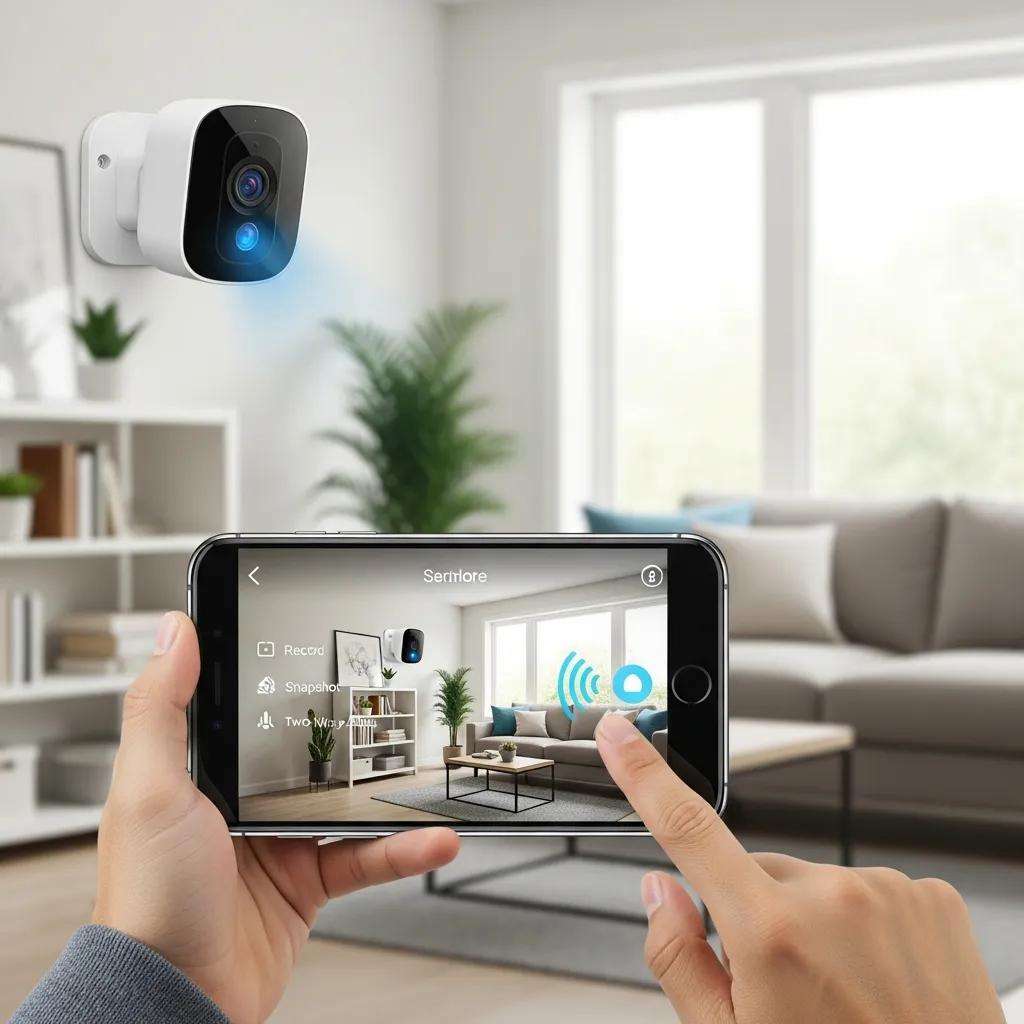
Smart home security cameras are equipped with advanced features that enhance their functionality and user experience. Key features include:
- Remote Access: Users can view live feeds and recorded footage from their smartphones or tablets, providing convenience and peace of mind.
- Integration with Smart Home Systems: These cameras can connect with other smart devices, such as alarms and lights, allowing for coordinated security responses.
- Advanced Monitoring Features: Many smart cameras come with motion detection, night vision, and two-way audio, enabling users to interact with visitors or deter intruders in real-time.
These features make smart home security cameras a popular choice for modern homeowners looking to enhance their security systems.
How Is Security Camera Installation Cost Determined?
The cost of installing security cameras can vary significantly based on several factors. Understanding these factors can help homeowners budget effectively for their security needs.
- Type of Camera: The choice between wired and wireless cameras can impact installation costs. Wired systems may require more labor and materials, while wireless systems can be less expensive to install.
- Number of Cameras: The more cameras you install, the higher the overall cost. Homeowners should consider their specific surveillance needs when determining the number of cameras required.
- Professional Installation vs. DIY: Hiring professionals for installation typically incurs additional costs, but it can ensure proper setup and functionality. DIY installation can save money but may require technical knowledge.
For those considering professional installation, many companies offer free consultation services to help assess your needs and provide tailored solutions.
What Factors Influence Installation and Setup Expenses?
Several factors can influence the overall expenses associated with the installation and setup of security camera systems:
- Location of Installation: Cameras installed in hard-to-reach areas may require additional equipment or labor, increasing costs.
- Complexity of Setup: Systems that integrate with existing security or IT infrastructure may require more complex installation processes, leading to higher expenses.
- Additional Features: Cameras with advanced features, such as cloud storage or smart home integration, may have higher upfront costs but can provide long-term savings through enhanced functionality.
Understanding these factors can help homeowners make informed decisions about their security camera installations.
How Does Professional Installation Enhance System Reliability?
Professional installation of security camera systems can significantly enhance their reliability and effectiveness.
- Expertise of Installers: Professionals have the knowledge and experience to ensure that cameras are installed correctly, positioned for optimal coverage, and integrated with other security systems.
- Warranty and Support: Many professional installations come with warranties, providing peace of mind and support in case of issues.
- Long-term Reliability: Proper installation reduces the likelihood of technical problems, ensuring that the system functions as intended over time.
Investing in professional installation can lead to a more robust and dependable security system.
How Do Home Security Cameras Integrate with Alarm and IT Systems?
Home security cameras can seamlessly integrate with alarm systems and IT infrastructure, creating a comprehensive security solution.
- Benefits of Integration: Integrated systems allow for coordinated responses to security events, such as triggering alarms when motion is detected by cameras.
- Types of Systems that Can Be Integrated: Many modern security cameras can connect with various alarm systems, smart home devices, and IT networks, enhancing overall security management.
Further emphasizing the versatility of modern security setups, research highlights the potential for integrating diverse camera types within a smart home ecosystem.
Integrating Wired and IP Cameras in Smart Homes
In addition to the main wired video surveillance cameras, it is possible to integrate with network IP cameras
Integration of a video surveillance system into a smart home using the home assistant platform, Z Nurlan, 2022
- User Control and Monitoring: Integration provides users with centralized control over their security systems, allowing for real-time monitoring and management from a single interface.
This level of integration enhances the effectiveness of security measures and simplifies user interaction.
What Are the Benefits of Integrated Alarm and Camera Security Solutions?
Integrated alarm and camera security solutions offer numerous advantages for homeowners and businesses:
- Enhanced Security: Combining cameras with alarm systems provides a multi-layered approach to security, increasing the chances of deterring intruders.
- Convenience of Management: Users can manage all security components from a single platform, simplifying monitoring and control.
- Cost-effectiveness: Integrated systems can reduce the need for multiple subscriptions or services, leading to potential savings.
These benefits make integrated security solutions an attractive option for those looking to enhance their security measures.
How Does Smart Home Security Enhance Monitoring and Control?
Smart home security systems significantly enhance monitoring and control capabilities for users.
- Remote Monitoring Capabilities: Users can access live feeds and recorded footage from anywhere, providing peace of mind while away from home.
- Real-time Alerts: Smart cameras can send notifications to users when motion is detected, allowing for immediate responses to potential security threats.
- User-friendly Interfaces: Many smart security systems feature intuitive apps that make it easy for users to manage their security settings and view camera feeds.
These enhancements contribute to a more effective and user-friendly security experience.
What Should Homeowners Know About Outdoor Security Cameras?
Outdoor security cameras are designed to withstand various environmental conditions while providing effective surveillance. Homeowners should consider the following:
- Weather Resistance: Outdoor cameras should be rated for water and dust resistance to ensure durability in harsh conditions.
- Field of View: Cameras with a wide field of view can cover larger areas, reducing the number of cameras needed for comprehensive surveillance.
- Installation Height: Proper installation height is crucial for maximizing coverage and minimizing blind spots.
Understanding these factors can help homeowners select the right outdoor cameras for their security needs.
How Are Outdoor Cameras Designed for Weather and Security Challenges?
Outdoor security cameras are engineered to address specific weather and security challenges.
- Durability Features: Many outdoor cameras are constructed with robust materials that can withstand extreme temperatures, rain, and snow.
- Adaptability to Environments: Cameras may include features such as infrared night vision and motion detection to enhance their effectiveness in various conditions.
- Security Features: Some outdoor cameras come equipped with alarms or deterrent lights to further enhance security.
These design considerations ensure that outdoor cameras remain functional and effective in protecting properties.
What Local Regulations Affect Outdoor Security Camera Use in Pendleton Oregon?
Homeowners in Pendleton, Oregon, should be aware of local regulations regarding outdoor security camera use.
- Privacy Laws: It is essential to respect the privacy of neighbors and avoid capturing footage of private property without consent.
- Permitting Requirements: Some areas may require permits for the installation of security cameras, particularly if they are mounted on public property.
- Community Guidelines: Homeowners should check with local homeowner associations or community guidelines to ensure compliance with any specific rules regarding security camera use.
Being informed about these regulations can help homeowners avoid potential legal issues while enhancing their security measures.
To further enhance your home’s protection, consider exploring alarm systems that integrate seamlessly with your camera setup.