
What Are the Common Steps in Alarm System Installation?
Installing an alarm system can seem daunting, but by breaking it down into simple steps, anyone can tackle it. Whether for your home or office, understanding the installation process can ensure your safety system is up and running efficiently. Let’s dive into the common steps involved in installing an alarm system.
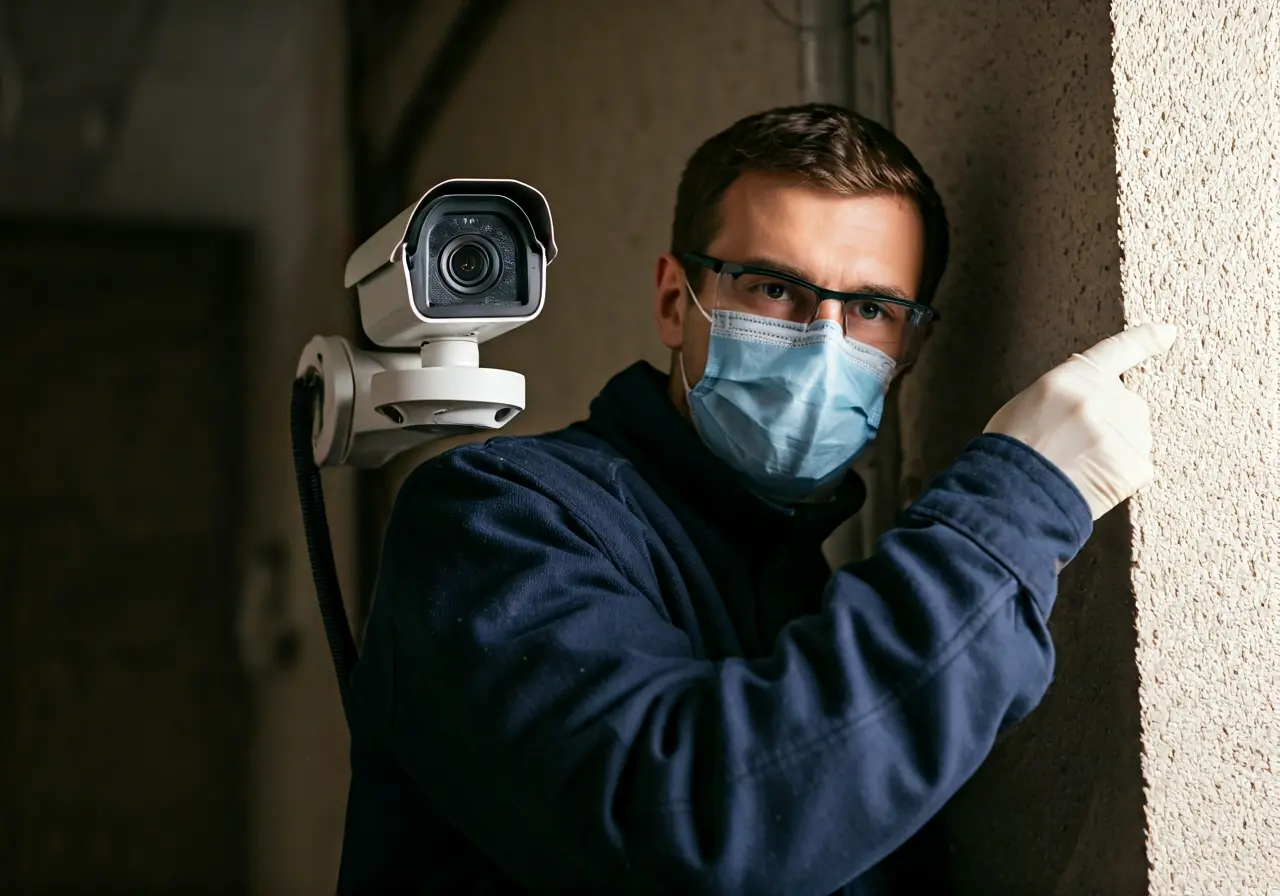
Assess Your Security Needs
Start by identifying the areas you need to secure and the type of alarm system that best suits your needs. Consider factors like property size, the number of entry points, and specific security concerns.
In the modern world, understanding your unique security challenges is vital. For instance, larger properties might require extensive coverage including motion detectors and cameras for monitoring extensive grounds.
Choose the Right Alarm System
Select an appropriate alarm system based on your assessment. Consider options like wired vs. wireless systems, and additional features like motion detectors or cameras.
Wired systems are typically more reliable, but wireless systems offer flexibility and ease of installation. Deciding between the two could also depend on your budget and installation capabilities.
Gather Necessary Tools and Equipment
Ensure you have all the tools and equipment needed for installation. This usually includes drills, screwdrivers, and the mounting hardware specific to your alarm system.
Being prepared with the right tools can make the installation process smoother. If you are considering a DIY approach, it might be worth investing in a basic toolkit.
Install Sensors and Detectors
Follow the manufacturer’s instructions to install the sensors and detectors at strategic points around your property, focusing on all entry and vulnerable points.
Installation should focus on vulnerable areas such as windows and doors, where unauthorized entry is most likely. Consider additional coverage such as window break sensors to enhance security.
Set Up the Control Panel
Position the control panel in a convenient yet secure location. Connect it to your home network and ensure it’s easily accessible for monitoring and control.
The control panel is the heart of your alarm system. Make sure it’s placed in a location that allows for easy accessibility and minimal external interference.
Test the Alarm System
Once installed, thoroughly test the system to confirm all components are functioning correctly. Simulate different scenarios to ensure everything triggers as it should.
Testing your system is crucial to ensure its readiness. Regular testing is recommended as it helps identify any faulty equipment that could compromise your system’s effectiveness.
Wrapping Up Your Alarm System Installation
By following these steps, you can confidently install an alarm system tailored to your security needs. Remember, each step is crucial for ensuring the system’s effectiveness and reliability. Whether you choose to DIY or hire a professional, knowing the process helps in making informed decisions about your safety. For more information, visit our homepage.