
Home and Business Alarm Systems in Pendleton
Pendleton Alarm Systems: A Practical Guide to Home & Business Installation, Monitoring, and Security
Security matters. This guide walks you through the alarm system options available in Pendleton for both homes and businesses — the types of systems, how installation works, monitoring choices, and the advantages of hiring professionals. You’ll learn how to pick a system that fits your property and lifestyle, how different monitoring options work, and which features actually improve safety. Alarm systems deter intruders and give families and businesses reliable protection — here’s what to consider when choosing one.
Types of Alarm Systems
Alarm systems typically fall into two groups: residential and commercial. Each is built around different priorities and environments. Knowing those differences makes it easier to choose the right setup for your property.
Residential Security Systems:

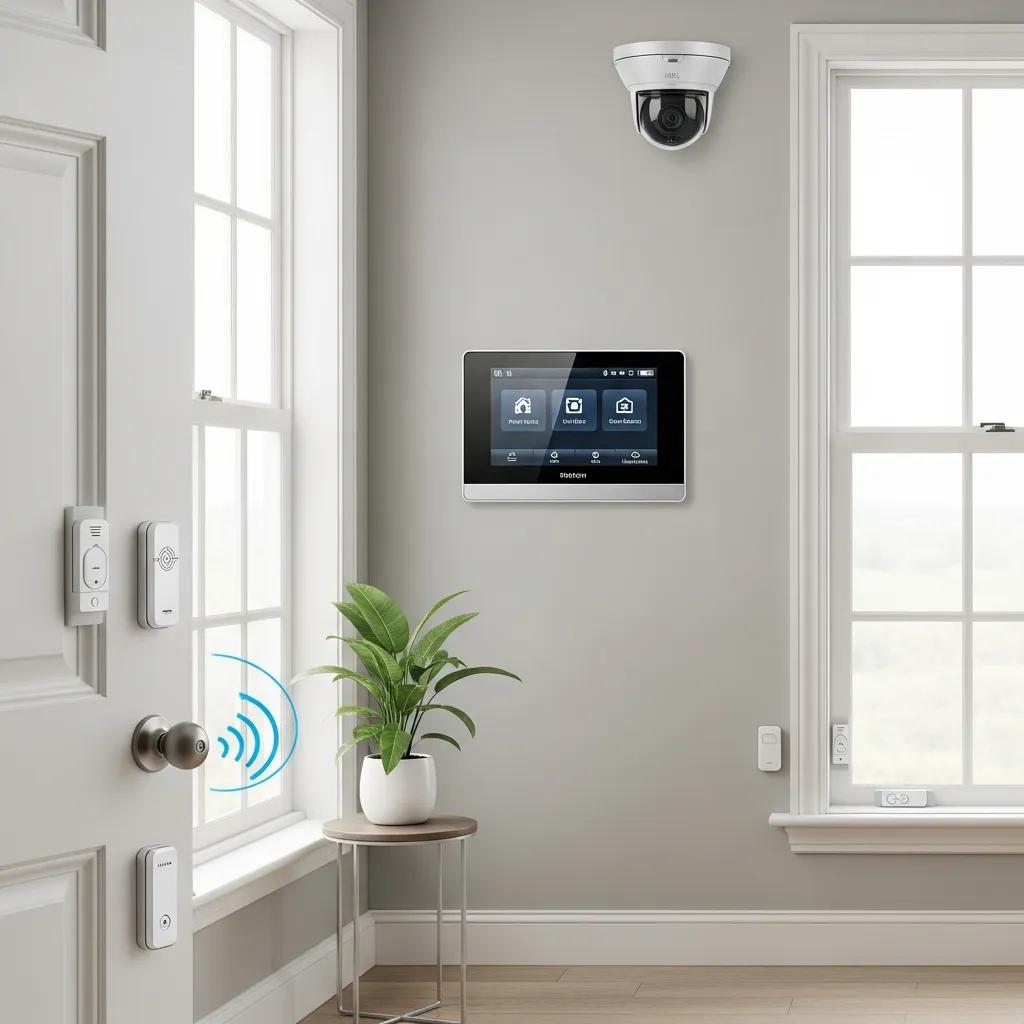
Residential systems focus on protecting living spaces. Typical components include door and window sensors, motion detectors, and cameras. Most modern systems connect to smart-home platforms and mobile apps so homeowners can get alerts and control settings remotely. That combination of sensors and remote access makes it easy to monitor your home in real time.
Commercial Security Systems:

Commercial systems are built for larger spaces and more complex needs. They often include access control, industrial-grade alarms, advanced surveillance, and custom integrations with existing security infrastructure. Businesses may add specialized sensors and controls to protect sensitive areas and support operational requirements.
Installation Processes
Installing an alarm system involves a few key steps to ensure reliable performance. Knowing the process ahead of time helps property owners prepare and get the most from their system.
Steps for Installation:
- Request a Consultation: Contact a trusted security provider to start the process and discuss goals.
- Assessment of Security Needs: Technicians evaluate the property, identify vulnerabilities, and recommend placement and devices.
- Professional Installation: Certified installers fit and configure the system, test components, and walk you through operation.
Wiring Solutions:
Reliable wiring is key to consistent performance. Many installations use low-voltage wiring to link sensors, cameras, and control panels. Professional wiring reduces the chance of faults and helps the system run smoothly for years.
Monitoring Options
Monitoring turns sensors into action. Choose the monitoring approach that matches your risk tolerance and budget — from self-monitoring to full professional response.
24/7 Alarm Monitoring:
Round-the-clock monitoring means trained operators watch for alerts and coordinate responses immediately. Professional monitoring shortens response times and provides an added layer of protection when you can’t be there.
Smart Home Integration:
Smart integration lets you manage your security alongside lights, locks, thermostats, and other devices. With mobile control and automated rules, you gain convenience and better situational awareness whether you’re home or away.
Benefits of Professional Installation and Monitoring
Choosing professional services adds expertise and reliability. Here are the main benefits to consider.
- Tailored Solutions: Installers design a system custom-fit to your property and risk profile.
- Quality Installation: Professional setup reduces errors and ensures devices perform as intended.
- Ongoing Support: Monitoring plans and service contracts provide maintenance and fast troubleshooting when issues arise.
Key Features for Effective Security
A good alarm system balances detection, deterrence, and response. The right feature set depends on whether you’re protecting a home or a business.
For Residential Properties:
Look for features that deliver convenience and clear evidence in an incident:
- Integrated Smart Home Systems: Unified control with other connected devices.
- Remote Monitoring: Mobile alerts and live video access from anywhere.
- Surveillance Capabilities: Cameras that record clear footage for verification and investigation.
For Commercial Properties:
Business systems should emphasize control and situational awareness:
- Real-Time Monitoring: Fast alerts and professional response to incidents.
- Access Control: Restrict and track entry to sensitive areas.
- Activity Patterns Analysis: Insights that help identify unusual behavior and improve security planning.
What Are the Best Commercial Security Systems Available in Pendleton?
When evaluating commercial systems, prioritize comprehensive coverage, reliable monitoring, and integration flexibility. The best solutions combine video, intrusion detection, and access control with centralized management.
Features and Benefits of Business Alarm Systems
Typical business-grade systems include:
- Remote Management: Centralized control and status checks from any device.
- Real-Time Notifications: Instant alerts for breaches or suspicious events.
- Access Control Systems: Secure, auditable entry management for staff and visitors.
How Do Intrusion Detection Systems Protect Your Business?
Intrusion detection uses sensors and alarms to spot unauthorized access early. When combined with monitoring, it ensures a quick, documented response to potential breaches and reduces downtime and loss.
How Does Residential Alarm Installation Work in Pendleton Homes?
Installation in Pendleton follows a clear process: a consultation to define needs, an on-site assessment, professional installation, and final testing. Installers also demonstrate system use so homeowners understand how to operate and maintain it.
Step-by-Step Home Alarm Installation Process
- Consultation: Talk through your security concerns and goals.
- Assessment: Technicians map out vulnerabilities and device placement.
- Installation: Devices are installed, configured, and tested for reliability.
Wired vs. Wireless Alarm Systems: Which Is Right for Your Home?
Wired systems are known for stable connections and low interference; wireless systems are easier to install and more flexible. Your property layout, renovation plans, and preference for scalability will help determine the best choice.
What Are the Advantages of Security System Monitoring Services in Pendleton?
Monitoring services offer clear benefits:
- Continuous Monitoring: Systems are watched even when you’re not available.
- Cost-Effectiveness: Prevention and quick response can reduce losses and liability.
- Improved Response Times: Faster dispatch and coordinated response in emergencies.
24/7 Professional Monitoring and Response Benefits
With 24/7 monitoring, trained operators verify alarms, notify authorities if needed, and follow escalation protocols. That reliability brings peace of mind and a faster path to resolution.
How Wireless Alarm Systems Enhance Monitoring Efficiency
Wireless systems speed up installation, reduce disruption to your property, and allow for flexible sensor placement. When paired with strong communication paths, they deliver reliable monitoring without invasive wiring work.
How Can Security Cameras and Access Control Integrate with Alarm Systems?
Integrating cameras and security cameras with alarm and access-control systems gives you synchronized events, visual verification, and centralized management — making incidents easier to assess and respond to.
Smart Home Integration Trends for Enhanced Security
Smart integrations are trending toward automation and convenience: scheduled arming, location-based alerts, and synchronized responses between locks, lights, and alarms. These features improve usability and strengthen day-to-day security.
Access Control Systems: Managing Entry Points Effectively
Access control systems limit and log who enters sensitive areas. For businesses, they reduce unauthorized access; for homes, they provide controlled entry for service providers and family members.
What Are the Costs and Maintenance Requirements for Alarm Systems in Pendleton?
Costs vary by system complexity, device count, and monitoring level. Knowing maintenance needs and pricing factors will help you budget accurately for installation and ongoing service.
Pricing Comparisons for Business and Residential Alarm Installations
Residential installs usually cost less than commercial setups because of scale and device requirements. Key price drivers include the number of sensors, camera quality, access-control complexity, and whether you choose professional monitoring.
Routine Maintenance and Troubleshooting Tips
Routine checks keep systems reliable. Schedule periodic tests, update firmware when available, replace batteries as recommended, and address warning indicators promptly to avoid service interruptions.
Where Can You Find Trusted Alarm System Installation and Support Services in Pendleton?
Choose local providers with proven experience in both residential and commercial installs. Look for clear service offerings, responsive support, and documented references from nearby customers.
Local Security Providers and Their Service Offerings
Pendleton providers typically offer site surveys, custom system design, professional installation, and monitoring plans. Compare service warranties, response times, and maintenance options before deciding.
Customer Testimonials and Case Studies from Pendleton Installations
Customer feedback and case studies highlight real-world performance and satisfaction. Reviewing local examples helps you understand how systems perform under conditions similar to yours.
For reliable protection, consider a comprehensive alarm system that pairs proven detection with professional monitoring to deliver real-time alerts and quick response to potential threats.