
Maximize Business Impact With Expert Audio Installation
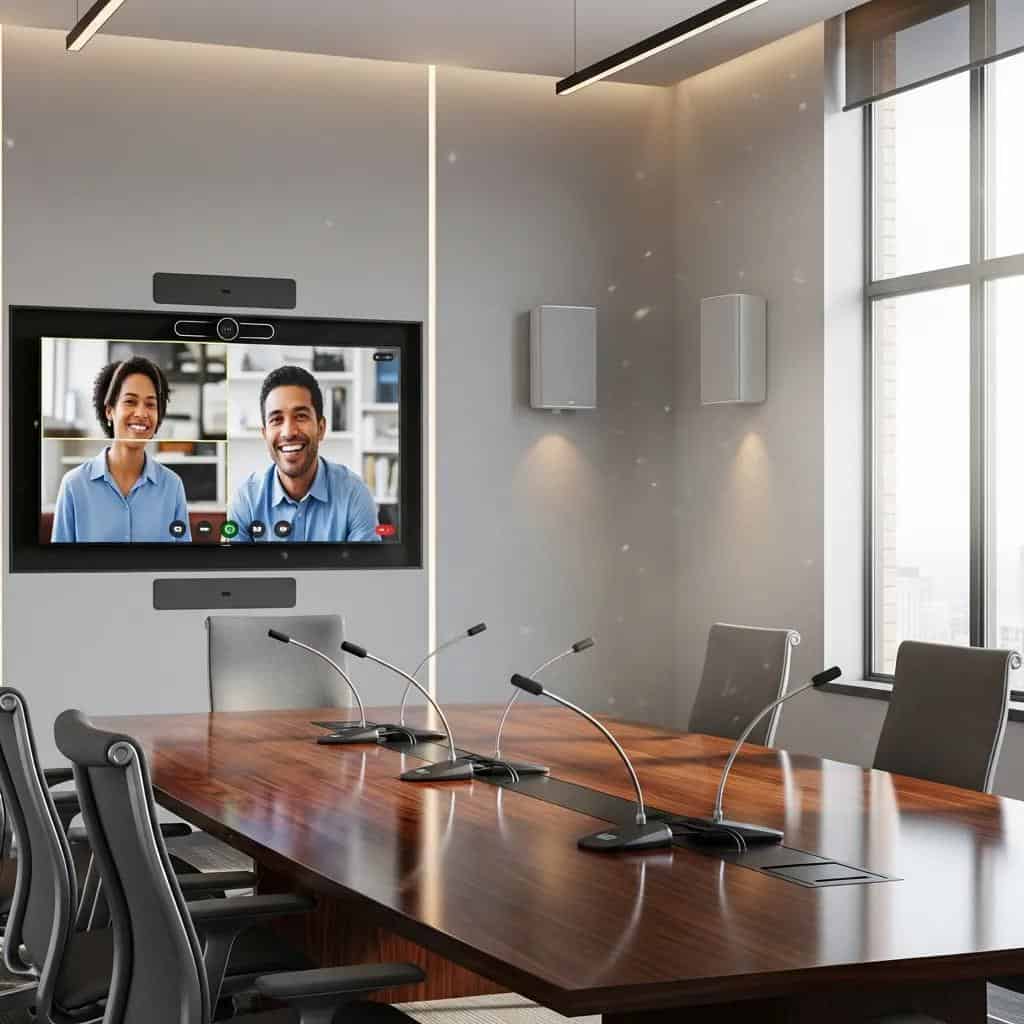
Maximize Business Impact with Pro Audio Installation – Total Security
Effective communication and customer engagement are essential to business performance. Professional audio installation improves operations, customer experience, and overall efficiency. This article explains the key benefits, best practices, and common challenges of audio installation so businesses can make informed decisions and realise measurable returns. It covers system design, IT integration, maintenance, and current trends in corporate audio solutions.
Key Benefits

Professional audio installation delivers measurable advantages that strengthen a business’s operational capabilities.
- Enhanced Sound Quality: High-quality audio systems provide clear and crisp sound, which is essential for effective communication during meetings and presentations.
- Increased Customer Satisfaction: A well-designed audio environment can significantly improve the customer experience, making interactions more enjoyable and engaging.
- Operational Efficiency: Streamlined audio systems reduce technical issues and downtime, allowing businesses to focus on their core activities without interruptions.
These benefits demonstrate the importance of selecting audio solutions that match specific business requirements. For comprehensive IT services that support audio integration, evaluate providers that align with your infrastructure.
Quantifying these benefits is practical: measure speech intelligibility in meeting spaces, track average customer dwell time in retail environments, and record incident rates for audio-related downtime. These metrics help link the audio investment to operational and financial outcomes.
Best Practices
To maximise the effectiveness of audio installations, businesses should follow these best practices:
- Professional Assessment: Engaging experts to evaluate the specific audio needs of a space ensures that the right equipment and layout are chosen.
- Quality Equipment: Investing in high-quality audio components, such as speakers and amplifiers, is crucial for achieving optimal sound performance.
- Regular Maintenance: Implementing a maintenance schedule helps to keep audio systems functioning at peak performance, preventing issues before they arise.
Adhering to these practices ensures consistent, reliable system performance. Protect the installation by considering appropriate business security systems.
Additional practical actions include conducting an acoustic survey before procurement, choosing equipment that fits the long-term roadmap of the business, and documenting system settings after calibration. A clear handover package—covering schematics, warranty details and operating instructions—reduces future support friction.
Potential Challenges
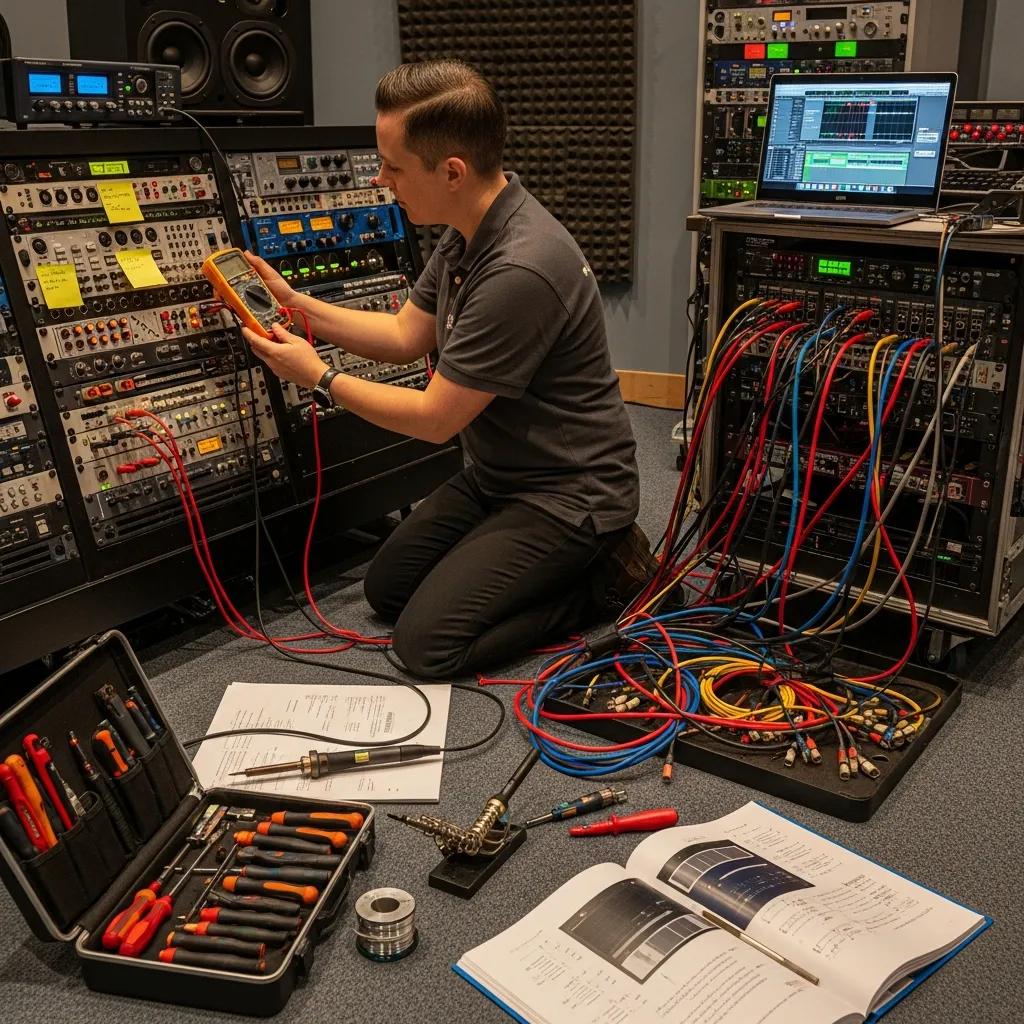
Although audio installation offers clear benefits, businesses may face several challenges:
- Budget Constraints: High-quality audio systems can require substantial investment, which may be a barrier for some businesses.
- Integration Issues: Ensuring that new audio systems work seamlessly with existing technology can pose technical challenges.
- Technical Difficulties: Installation and calibration can be complex, requiring skilled professionals to avoid common pitfalls.
Recognizing these challenges enables effective planning and mitigation.
Mitigation strategies include phased rollouts to spread costs, specifying interoperability requirements in procurement documents, and reserving a contingency budget for unexpected cabling or network upgrades. Engaging cross-discipline teams—facilities, IT and operations—during planning reduces surprises during deployment.
What Are the Key Benefits of Professional Business Sound System Setup?
Professional business sound system setups deliver benefits that support overall business performance.
- Improved Sound Quality: Professional installations ensure that sound is evenly distributed throughout a space, minimizing dead spots and enhancing clarity.
- Enhanced Customer Experience: A well-tuned audio system can create a more inviting atmosphere, encouraging customer engagement and satisfaction.
- Potential Return on Investment: High-quality audio solutions can lead to increased sales and customer retention, ultimately providing a strong ROI.
These outcomes underscore the value of investing in professional audio systems tailored to specific business needs.
When evaluating vendors, request before-and-after measurements, and ask for examples of similar deployments. This helps confirm that the proposed solution will achieve the claimed improvements and supports procurement decisions with evidence.
How Does Expert Audio Installation Enhance Corporate Communication?
Expert audio installation improves corporate communication by ensuring audio interactions are clear and reliable.
- Clear Audio for Presentations: High-quality audio systems eliminate background noise and enhance speech intelligibility, making presentations more impactful.
- Improved Collaboration: Effective audio systems facilitate better communication among team members, whether in-person or remote, leading to enhanced collaboration.
- Enhanced Employee Engagement: A well-designed audio environment can boost employee morale and engagement, contributing to a more productive workplace.
Prioritizing audio quality helps create a more collaborative and engaging work environment.
Practical steps to achieve these outcomes include calibrating speech reinforcement for typical room occupancy, using appropriate microphone placement for panels and meeting leaders, and ensuring remote participants receive the same audio clarity through integration with conferencing platforms.
What ROI Can Businesses Expect from High-Quality Audio Solutions?
High-quality audio solutions can produce significant returns for businesses.
- Increased Sales: Enhanced customer experiences often lead to higher sales, as satisfied customers are more likely to return.
- Higher Customer Retention: Quality audio systems contribute to a positive atmosphere, encouraging customers to stay longer and engage more deeply with the brand.
- Long-Term Savings: Investing in durable, high-quality equipment can reduce the need for frequent replacements and repairs, leading to cost savings over time.
These factors show that audio solutions can be a strategic investment for businesses seeking to improve their bottom line.
Research indicates that strategic investments in communication technologies, including advanced audio solutions, support improved returns and operational efficiency.
Unified Communications & ROI for Business Efficiency
The workplace continues to evolve; business communication methods change over time. Economic pressures and globalization have prompted organizations to reassess plans and reduce costs, including communication expenses. Many organisations adopt technology to lower communication costs. The ability to link business applications across networks—known as convergence—provides measurable value.
Unified Communications: The search for ROI through tomorrow’s business communication solutions, 2010
To track ROI effectively, define baseline KPIs before installation, then measure changes in customer engagement, operational uptime, and staff satisfaction. Set a realistic timeline for expected returns—many benefits appear within months, while durability and lower support costs accrue over years.
Which Services Are Included in Professional Audio Installation for Businesses?
Professional audio installation services typically cover a range of offerings designed to address business requirements.
- Setup and Assessment: Initial evaluations to determine the specific audio requirements of a space.
- Equipment Options: Recommendations for high-quality audio components tailored to the business’s needs.
- Maintenance and Support: Ongoing support to ensure systems remain functional and effective over time.
These services provide comprehensive support throughout the installation and commissioning process.
Providers often also include project management, on-site testing, staff training and documentation. Confirm the scope—such as warranty periods, SLAs for response times, and whether remote diagnostics are available—before signing contracts.
What Does Audio System Design and Integration Entail?
Audio system design and integration encompass key elements that ensure optimal performance.
- Components Involved: Key elements include speakers, amplifiers, control systems, and wiring, all of which must be carefully selected and configured.
- Integration Process: Seamless integration with existing IT infrastructure is essential for maximizing functionality and performance.
- Examples of Effective Setups: Case studies of successful installations can provide valuable insights into best practices and potential pitfalls.
These components and processes are essential for businesses implementing effective audio solutions.
Design should consider room acoustics, reverberation times and typical occupancy. Integration plans should include network addressing, device firmware management and a testing protocol that documents expected performance and acceptance criteria.
How Do Wiring and Infrastructure Support Audio System Performance?
The wiring and infrastructure of an audio system are critical to its overall performance.
- Importance of Proper Wiring: High-quality wiring minimizes signal loss and interference, ensuring clear audio transmission.
- Impact on Sound Quality: The right infrastructure can significantly enhance sound quality, providing a better listening experience.
- Integration with Other Systems: Effective wiring allows for seamless integration with other technologies, such as video systems and IT networks.
Prioritizing wiring and infrastructure improves the reliability and quality of audio system performance.
Best practice includes clearly labelling all cable runs, providing spare conduit for future upgrades, and keeping audio cabling runs separate from high-voltage power where possible. Documenting the physical layout and providing network diagrams speeds troubleshooting and future expansions.
How Does IT Network Integration Improve Commercial Audio System Connectivity?
Integrating audio systems with IT networks enhances connectivity and expands functionality.
Research supports the cost and management benefits of network-based audio/video control and integrated device management.
Network-Based Audio/Video Control for Industry Cost Reduction
Recent developments in information and communication technology are affecting industrial audio/video systems. Configuration is shifting from analog to digital, and network-based control offers operational cost reductions. This study examines a device (Network Audio Video Integrated Control: NAVICS) that integrates and controls multiple audio/video devices with different functions, enabling control of digitalised audio/video devices via network and serial communication.
A study on the audio/video integrated control system based on network, 2022
- Network Configuration: Proper configuration ensures that audio systems can communicate effectively with other devices and systems.
- Bandwidth Management: Effective management of network resources is essential for maintaining audio quality, especially in high-demand environments.
- Quality of Service: Prioritizing audio traffic on the network can help ensure consistent performance, even during peak usage times.
These considerations underscore the importance of IT integration in modern audio systems.
Coordinate closely with IT to allocate VLANs or QoS rules where required, and plan for firmware patching and remote monitoring. Network monitoring tools can flag packet loss or jitter that would degrade audio performance, enabling proactive remediation before users report problems.
What Role Does Business IT Infrastructure Play in Audio System Setup?
Business IT infrastructure is fundamental to successful audio system deployment.
- Network Configuration: A well-configured network supports seamless communication between audio devices and other technologies.
- Scalability: Robust IT infrastructure allows for easy expansion of audio systems as business needs grow.
- Security Measures: Implementing security protocols helps protect sensitive audio data and ensures compliance with regulations.
Recognizing the role of IT infrastructure is essential for businesses planning effective audio implementations.
Security considerations include access control for management interfaces, encrypted control channels where available, and regular audits of device accounts and passwords. Planning for redundancy in core network paths reduces the risk of single points of failure affecting audio services.
How Are Audio Systems Calibrated and Maintained for Optimal Performance?
Calibration and maintenance are vital to ensure audio systems perform as intended.
- Calibration Techniques: Professional calibration ensures that audio systems are tuned to the specific acoustics of a space, optimizing sound quality.
- Maintenance Schedules: Regular maintenance checks help identify and address potential issues before they affect performance.
- Troubleshooting Common Issues: Understanding common problems and their solutions can help businesses maintain their audio systems effectively.
Prioritizing calibration and maintenance ensures consistent system performance and longevity.
Typical maintenance activities include firmware updates, verification of microphone and line-level inputs, cleaning of vents and connectors, and periodic re-calibration after significant room changes. Maintain a maintenance log and schedule preventive visits to reduce the likelihood of emergency repairs.
What Are the Latest Trends in Corporate Audio Solutions?
Awareness of current trends in corporate audio solutions helps businesses remain competitive.
- Smart Audio Systems: The rise of smart technology allows for greater control and customization of audio environments.
- IoT Integration: Integrating audio systems with IoT devices enhances functionality and user experience.
- Sustainable Solutions: Increasing focus on sustainability is driving the development of eco-friendly audio technologies.
These trends demonstrate the evolving landscape of audio solutions and their potential operational impact.
Examples include centralized cloud-based management for distributed sites, energy-efficient components that reduce power draw, and systems that provide usage analytics to inform business decisions. Adopt trends that align with operational priorities rather than chasing features alone.
How Do Smart Audio and IoT-Enabled Systems Benefit Businesses?
Smart audio and IoT-enabled systems deliver operational advantages for businesses.
- Remote Management: These systems can be managed remotely, allowing for greater flexibility and control.
- Enhanced Functionality: Integration with other smart devices enhances the overall functionality of audio systems.
- Cost Savings: Efficient energy use and reduced maintenance needs can lead to significant cost savings over time.
Leveraging smart technology improves audio capability and operational efficiency.
When deploying smart features, balance convenience with security and privacy. Ensure that remote access is secured and that any data collected is handled according to company policy and applicable regulations.
What Are Scalable Multi-Room Audio Solutions for Commercial Spaces?
Scalable multi-room audio solutions provide flexibility for businesses with diverse audio requirements.
- Multi-Zone Setups: These systems allow for independent control of audio in different areas, catering to various activities and preferences.
- Flexibility in Audio Distribution: Businesses can easily adjust audio settings based on specific requirements, enhancing user experience.
- Integration with Existing Systems: Scalable solutions can be integrated with current technologies, ensuring a seamless transition.
These features make scalable audio solutions suitable for businesses seeking enhanced audio capabilities.
Common deployments include separate background-music zones, announcement zones with priority override, and event-mode profiles that reconfigure multiple zones for special occasions. Scalability reduces waste by allowing the business to add capacity only when needed.
How Can Case Studies Demonstrate the Business Impact of Expert Audio Installation?
Case studies demonstrate the real-world impact of professional audio installation.
- Real-World Examples: Analyzing successful installations can highlight best practices and effective strategies.
- Quantifiable Results: Metrics such as increased sales or improved customer satisfaction can demonstrate the tangible benefits of audio solutions.
- Customer Testimonials: Feedback from clients can provide additional validation of the effectiveness of audio installations.
Examining case studies enables businesses to assess the potential benefits of investing in professional audio systems.
When creating a case study, include the initial problem statement, the solution selected, measurable outcomes and lessons learned. Clear before-and-after metrics make the narrative more convincing to decision makers.
What Are Examples of Successful Commercial Audio Installations?
Successful commercial audio installations serve as practical benchmarks for similar investments.
- Diverse Business Types: Examples range from retail environments to corporate offices, showcasing the versatility of audio solutions.
- Variety of Audio Solutions: Different setups highlight the range of options available, from simple systems to complex integrations.
- Positive Outcomes: Many installations report improved customer engagement and satisfaction, reinforcing the value of professional audio systems.
These examples demonstrate the potential advantages of investing in high-quality audio solutions.
Seek references that match your business size and use case. A solution that worked well for a large conference venue may differ from what a boutique retailer needs; comparable examples provide the most relevant guidance.
How Do Client Testimonials Reflect Service Reliability and Expertise?
Client testimonials provide evidence of service reliability and technical expertise.
- Social Proof: Positive feedback from clients can enhance credibility and trust in service providers.
- Customer Satisfaction: Testimonials often highlight specific aspects of service that contributed to a positive experience.
- Impact on Decision-Making: Potential clients may rely on testimonials to inform their choices when selecting audio installation services.
Considering client feedback helps businesses make more informed decisions about their audio solutions.
Request references and, where possible, visit live installations. Observing a system in operation provides more insight than written testimonials alone and helps validate the provider’s claims.
What Are Common Questions About Commercial Audio Systems Installation?
Addressing common questions clarifies the audio installation process for business decision-makers.
- Sound Quality Concerns: Many businesses worry about the clarity and quality of sound in their spaces.
- System Complexity: Understanding the intricacies of audio systems can be daunting for some.
- Wired vs. Wireless Options: Businesses often debate the pros and cons of wired versus wireless audio solutions.
Providing clear, practical answers helps businesses feel more confident in their installation decisions.
When assessing options, define the primary use-cases and constraints, compare total cost of ownership for wired and wireless options, and ensure the chosen approach aligns with maintenance capabilities and future-proofing goals.
What Is the Typical Cost of Business Sound System Setup?
Understanding installation costs is essential for accurate budgeting.
- Factors Affecting Cost: Various elements, such as equipment quality and installation complexity, can influence overall expenses.
- Average Price Ranges: Businesses can expect to invest anywhere from a few thousand to tens of thousands of dollars, depending on their needs.
- Budgeting Tips: Planning for both initial setup and ongoing maintenance costs is essential for effective financial management.
Awareness of these factors helps businesses prepare financially for audio installation investments.
To control costs, prioritize requirements into must-haves and nice-to-haves, obtain multiple quotes that include detailed scopes, and consider staged deployments that deliver immediate benefits while deferring non-critical upgrades.
Which Equipment Brands Are Recommended for Corporate Audio Solutions?
Selecting appropriate equipment brands is important for ensuring long-term quality and reliability.
- Quality Brands: Brands known for their high-quality audio products include Bose, JBL, and Shure.
- Reputation in the Industry: Established brands often have a proven track record of performance and customer satisfaction.
- Product Range: A diverse range of products allows businesses to find solutions that fit their specific needs.
Choosing reputable brands supports system effectiveness and reduces long-term risk.
Evaluate a brand’s warranty terms, availability of local support, and compatibility with other chosen components. Where possible, audition equipment in environments similar to your own to validate subjective preferences and objective performance.
How Should Businesses Implement and Monitor Audio Installation Services?
Effective implementation and ongoing monitoring are essential to ensure successful outcomes.
- Initial Assessment: Conducting a thorough evaluation of audio needs is the first step in the implementation process.
- System Design: Careful planning and design ensure that audio systems meet the specific requirements of the space.
- Regular Performance Checks: Ongoing monitoring helps identify and address any issues that may arise over time.
Following these steps ensures that audio systems are implemented correctly and maintained to deliver consistent performance.
Monitoring can be automated with tools that check device health and alert on anomalies. Establish a clear escalation path for incidents and define acceptable service levels so both provider and client understand expectations.
What Internal Linking Strategies Support Audio and IT Service Integration?
Internal linking strategies can support the integration of audio and IT service.
- Assessment of Needs: Understanding the specific requirements of both audio and IT systems is essential for successful integration.
- Consultation with Experts: Engaging professionals can provide valuable insights into best practices for linking these systems.
- Monitoring and Maintenance: Regular checks can help ensure that both audio and IT systems continue to function effectively together.
Prioritizing these strategies improves the performance and reliability of integrated systems.
Use clearly named internal documentation pages to link system diagrams, maintenance procedures and vendor resources. This centralised information supports faster troubleshooting and clearer handovers between teams.
Which KPIs and Tools Measure Audio Installation Success?
Measuring audio installation success requires targeted KPIs and appropriate tools.
- Sound Quality Ratings: Regular assessments of audio clarity and quality can provide insights into system performance.
- System Downtime: Tracking any periods of downtime can help identify areas for improvement.
- User Engagement: Monitoring customer interactions can help gauge the effectiveness of audio systems in enhancing experiences.
Focusing on these KPIs enables businesses to evaluate the impact of their audio installations objectively.
Tools for measurement range from simple user surveys and checklists to device-level monitoring that reports uptime, temperature and firmware version. Select tools appropriate to the scale of deployment and the granularity needed for reporting.
Where Can Businesses Find Expert Commercial Audio Installation Services?
Identifying the right installation provider is critical for ensuring quality and reliability.
- Evaluation Criteria: Businesses should consider factors such as experience, reputation, and customer feedback when selecting a provider.
- Recommended Providers: Researching and comparing different service providers can help identify the best fit for specific needs.
- Service Options: Understanding the range of services offered can help businesses make informed decisions.
Following these guidelines assists businesses in selecting expert audio installation services that meet their requirements.
Request proposals that include clear milestones and acceptance tests. Verify references, ask about repeat customers, and confirm the provider’s ability to support the system after installation.
How to Choose a Trusted Provider for Professional Audio Installation?
Selecting a trusted provider is essential to achieve the desired results from an audio project.
- Experience and Expertise: Providers with a proven track record are more likely to deliver quality results.
- Customer Testimonials: Positive feedback from previous clients can enhance credibility and trust.
- Technical Support: Ongoing support and maintenance options are crucial for ensuring long-term success.
Considering these factors helps businesses choose a provider aligned with their audio installation objectives.
Include contract clauses for post-installation support and minimum response times. Clear documentation on deliverables and acceptance criteria reduces the risk of unmet expectations.
What Are the Service Areas and Support Options Available?
Understanding service areas and available support options helps businesses identify suitable providers.
- Geographic Coverage: Knowing the areas served by installation providers can help businesses find local options.
- Support Options: Various support services, suchs as maintenance and troubleshooting, can enhance the overall experience.
- Service Availability: Ensuring that providers can meet specific timelines and needs is crucial for successful installations.
Awareness of these factors assists businesses in navigating the commercial audio installation landscape.
Check whether providers offer remote support, on-site maintenance contracts and emergency response arrangements. For multi-site businesses, confirm their capacity to deliver consistent service across locations.
Frequently Asked Questions
What are the key considerations for integrating audio systems with existing IT infrastructure?
Integrating audio systems with existing IT infrastructure requires careful planning. Assess current network capacity to confirm it can support additional audio traffic. Implement bandwidth management to prioritise audio data in high-demand environments. Verify device compatibility to avoid integration issues. Apply security controls to protect audio data. Consult IT professionals to streamline the integration and optimise overall system performance.
How can businesses effectively troubleshoot common audio system issues?
Troubleshooting begins with identifying common faults. Verify power and connections first. Inspect cables for damage and confirm mixer and device settings if sound quality is poor. Maintain systems regularly to prevent failures. If issues persist, consult manufacturer documentation or engage professional technicians. Keep a log of recurring faults to identify patterns and inform corrective actions.
What are the benefits of using wireless audio systems in commercial settings?
Wireless audio systems provide installation flexibility, enabling speaker placement without extensive cabling. They allow rapid setup and reconfiguration, which benefits dynamic environments such as event spaces. Wireless solutions can also reduce wiring costs. However, ensure robust network security and manage potential interference from other wireless devices.
How do businesses determine the right audio system size for their space?
Determine system size by assessing space dimensions and acoustic characteristics; larger areas typically require more powerful speakers or additional units to ensure even coverage. Define the intended use—background music, announcements, or presentations—to establish required sound level and clarity. Consult audio professionals for tailored recommendations based on the specific environment.
What are the implications of not maintaining audio systems regularly?
Failure to maintain audio systems results in degraded sound quality and a higher risk of technical failures. Such issues can disrupt operations and harm the customer experience. Unaddressed faults may require costly repairs or premature replacement. Regular maintenance detects problems early, preserves performance, and extends equipment lifespan, maximising return on investment.
What role do user feedback and surveys play in improving audio system performance?
User feedback and surveys are essential for optimisation. Input from employees and customers identifies strengths and weaknesses in the audio setup. Use this data to adjust system configuration or plan upgrades. Regular surveys track satisfaction trends and reveal areas for improvement. Engaging users in evaluation ensures the audio environment meets stakeholder needs.