
Can Network Wiring Improve My Business’s IT Infrastructure?
In today’s digital age, a reliable IT infrastructure is crucial for the success of any business. One aspect that often goes overlooked is network wiring. In this blog, we’ll explore whether updating or improving your network wiring can make a significant difference to your business’s IT setup.
Understanding Network Wiring
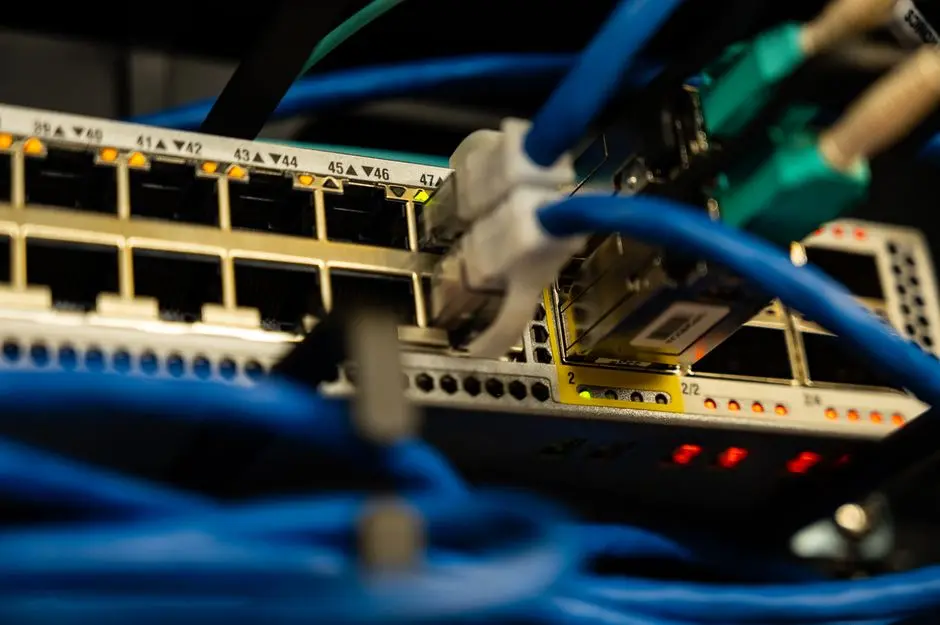
Network wiring is the physical cabling that connects various devices within your IT infrastructure. It forms the foundation of network communication, enabling data to travel efficiently between devices.
In essence, network wiring acts like a highway system for your digital data. Just as highways facilitate the movement of vehicles, a well-integrated cabling system ensures smooth data flow between computers, servers, and other networked devices. Without it, data congestion and bottlenecks can occur, leading to inefficient operations. This infrastructure backbone is crucial in delivering quality IT services.
The quality and type of network wiring can significantly impact your IT system’s performance. Imagine trying to send large files over a subpar connection; it can be frustratingly slow and unreliable. Enhancements in network wiring mean that the structure supports rapid data exchange, much like upgrading from dirt roads to modern highways.
Why Network Wiring Matters
Good network wiring ensures that your IT infrastructure is robust and capable of handling data transfer demands. It impacts the overall speed and reliability of your network, affecting everything from web browsing to database access.
Consider the impact on daily business operations: slow network speeds can lead to delays in communication and can even impede productivity. For a business relying heavily on digital communication and real-time data access, these delays can be costly. Hence, quality network wiring is not just a convenience but a necessity for maintaining competitiveness.
Moreover, properly installed network wiring helps in minimizing downtime and network disruptions. This can be crucial in sectors where time is money, such as in financial services or telecommunication industries. With robust wiring, your business can maintain streamlined operations with fewer interruptions.
Assessing Your Current Network Wiring
Evaluate your existing wiring setup. Are you using dated cabling standards? Is the wiring organized or prone to tangling and damage? Assessing these can unveil areas for improvement.
An initial step in this assessment involves checking for outdated systems; older cabling standards like Cat5 are far less efficient compared to modern alternatives. Determine whether the current cables can handle the bandwidth demanded by your business. If not, it may be time for an upgrade.
Also, take note of the physical setup. Tangled wires not only pose a risk of physical damage from wear and tear but can cause electromagnetic interference, impacting data quality. Organized and labeled wiring makes maintenance and fault detection much more manageable and less time-consuming.
Benefits of Upgrading Network Wiring
Upgrading can lead to higher data speeds, improved reliability, and better security. Modern wiring standards like Cat6 or fiber optic can enhance performance significantly.
With business needs constantly evolving, network upgrades provide the flexibility to scale operations without major disruptions. For instance, transitioning to fiber optic cables may require an upfront investment, but the return in terms of speed and reliability is substantial.
Additionally, newer wiring infrastructures offer improved security features, protecting your network against cyber threats. By minimizing vulnerabilities within the physical layer of your network, you safeguard sensitive data more effectively.
Planning for a Network Wiring Upgrade
To upgrade, start with identifying your business’s specific IT needs. Consult with IT professionals to create a wiring plan that supports current and future growth.
An effective plan begins with a thorough needs analysis. This involves understanding how many devices need connectivity, the type of data handled, and potential expansions. By outlining these requirements, an ICT planner can tailor a solution that caters precisely to your operational demands.
It’s crucial to involve all stakeholders in the planning process, ensuring everyone is on board and aware of the intended upgrades. Clear communication can prevent potential disruptions during implementation and align expectations with the anticipated outcomes.
Choosing the Right Wiring for Your Business
Different types of cables cater to various business needs. Consider the data transfer rates, environmental factors, and budget constraints while selecting a suitable option.
For environments with high electrical interference, shielded twisted pair cables might be preferred due to their EMI protection. Conversely, businesses that require maximum speed over long distances might lean towards fiber optics. Carefully assess your specific circumstances to make the best choice.
Cost considerations also play a significant role. Whilst Cat6 cables offer excellent performance for moderate distance and gigabit speeds, their cost may be higher than other types. Weigh these costs against expected performance gains to determine the most cost-effective solution.
Invest in Network Wiring for a Smarter Business IT Framework
Improving your business’s network wiring can enhance reliability, speed, and security, ultimately leading to more efficient operations and satisfied clients. By taking a closer look at your current setup and considering an upgrade or optimization, you’re investing in the backbone of your business’s technological infrastructure.